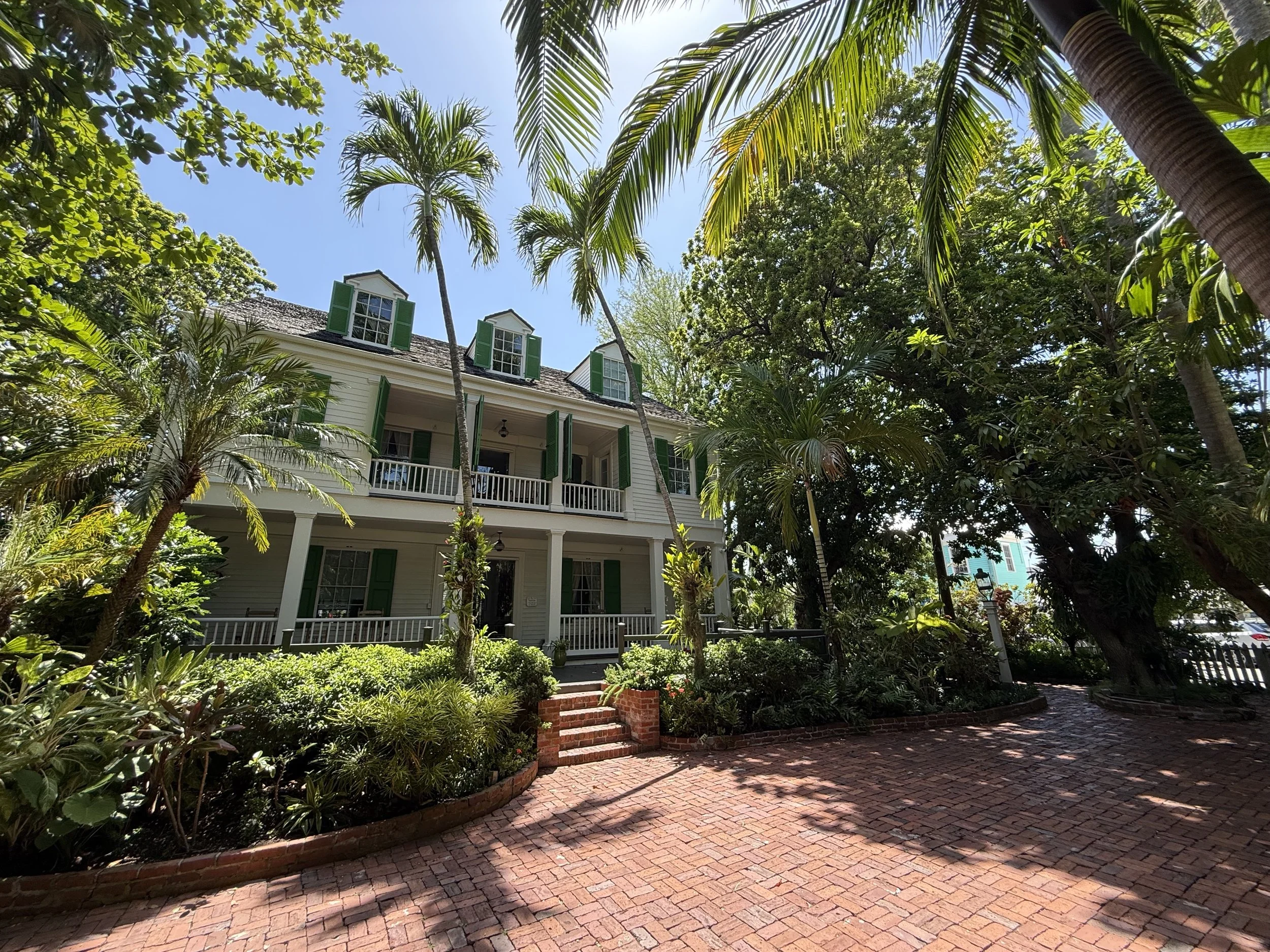
Audubon House
& Tropical Gardens
205 Whitehead Street, Key West, FL 33040
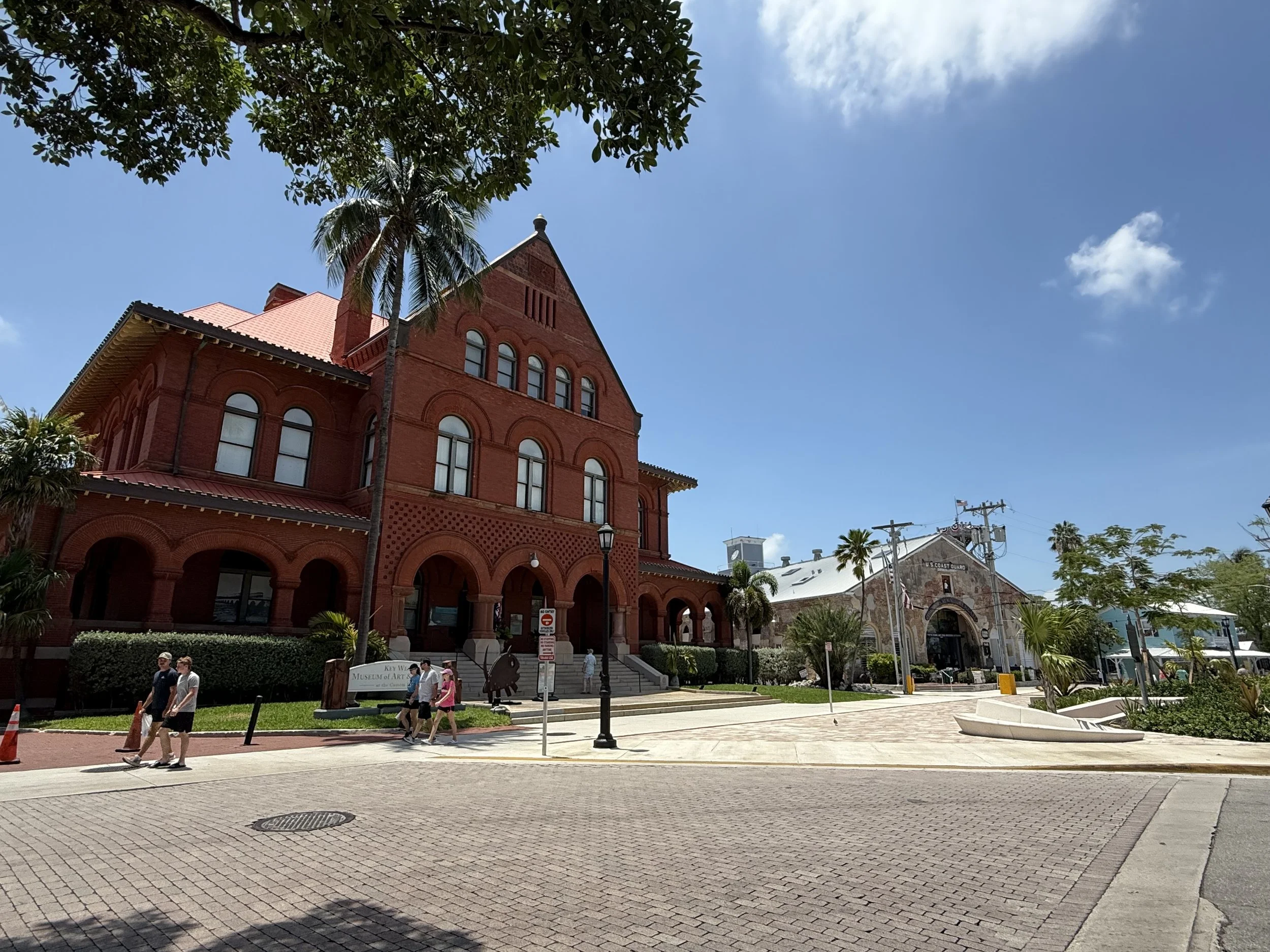
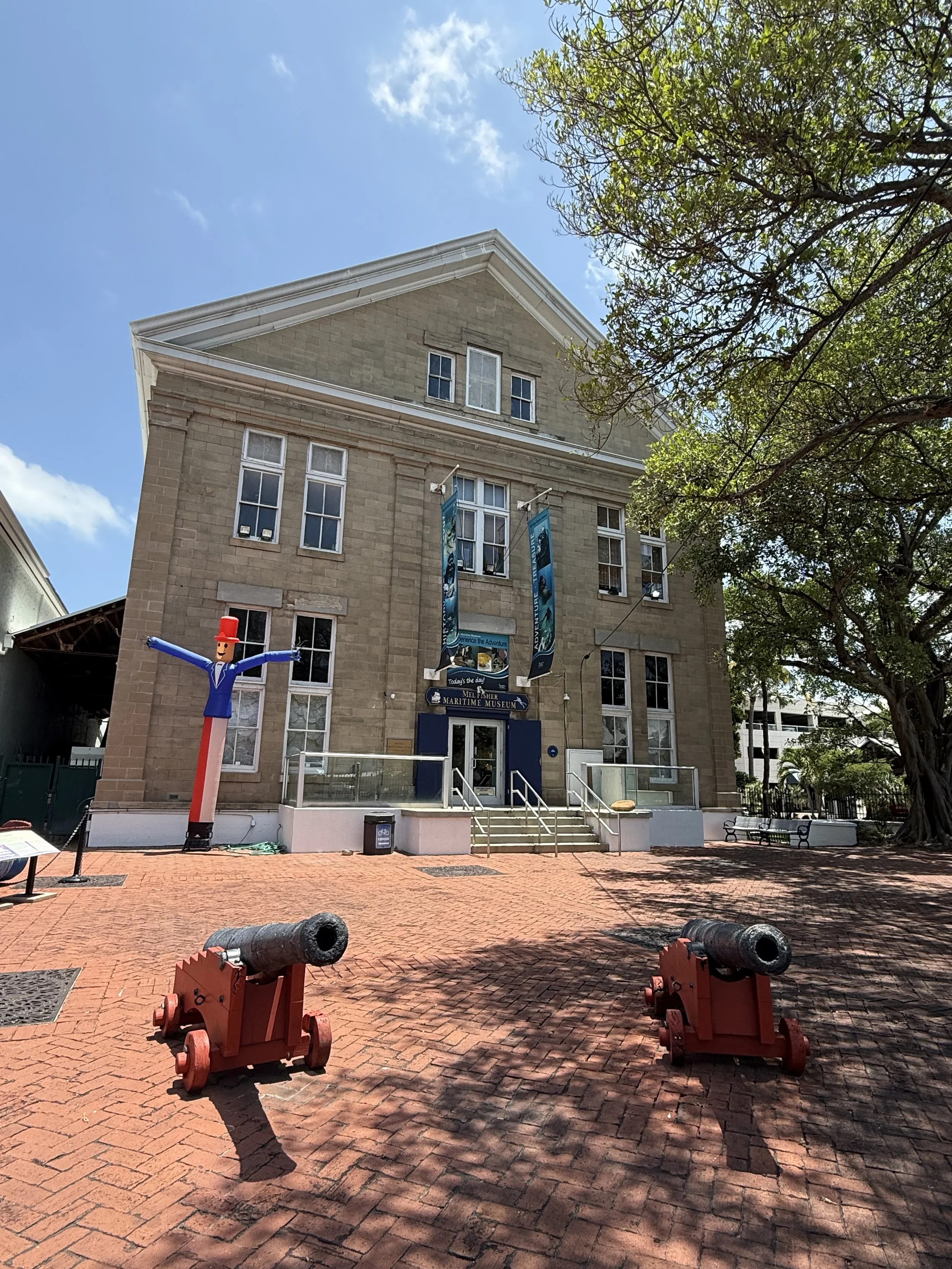
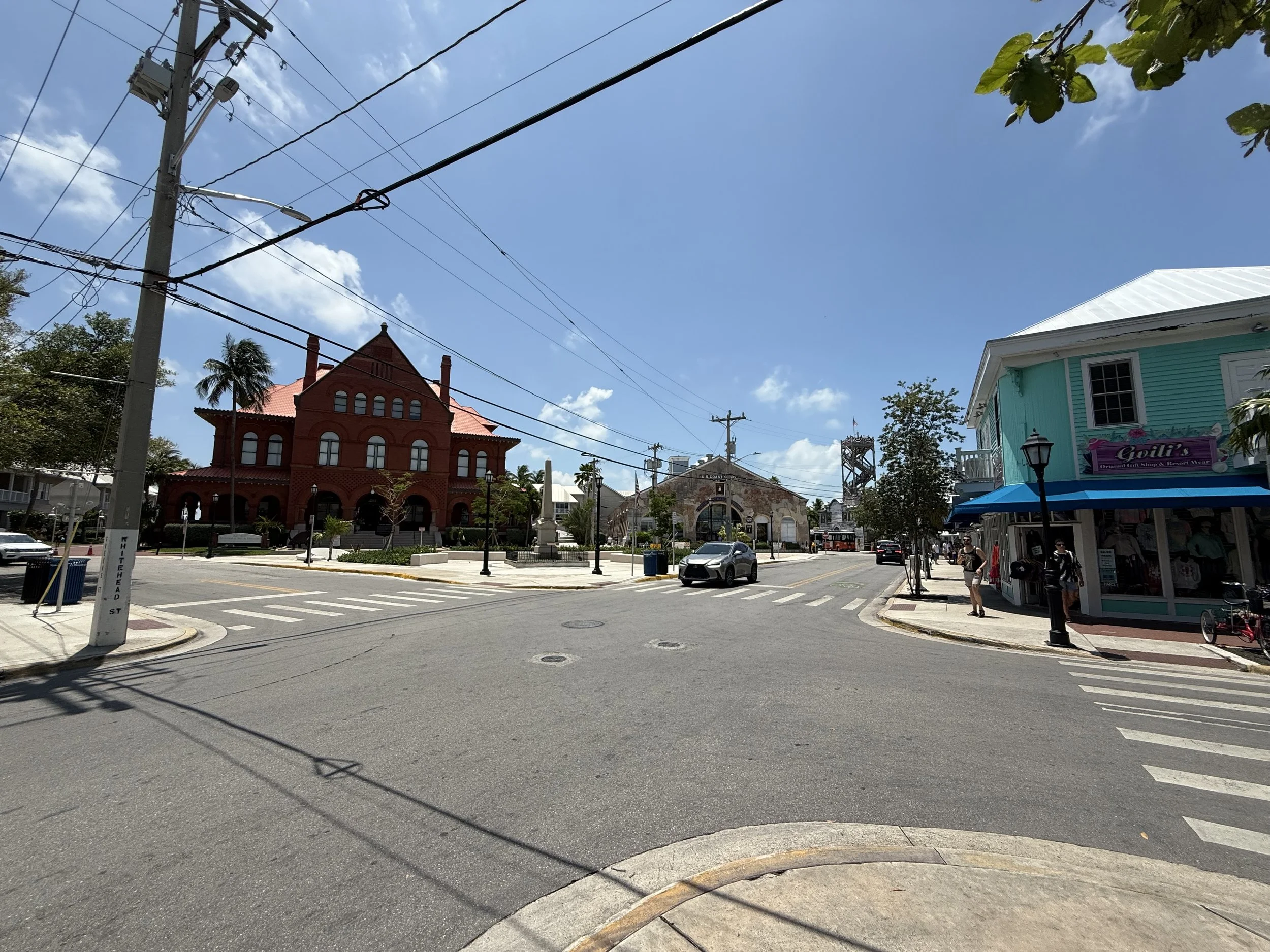
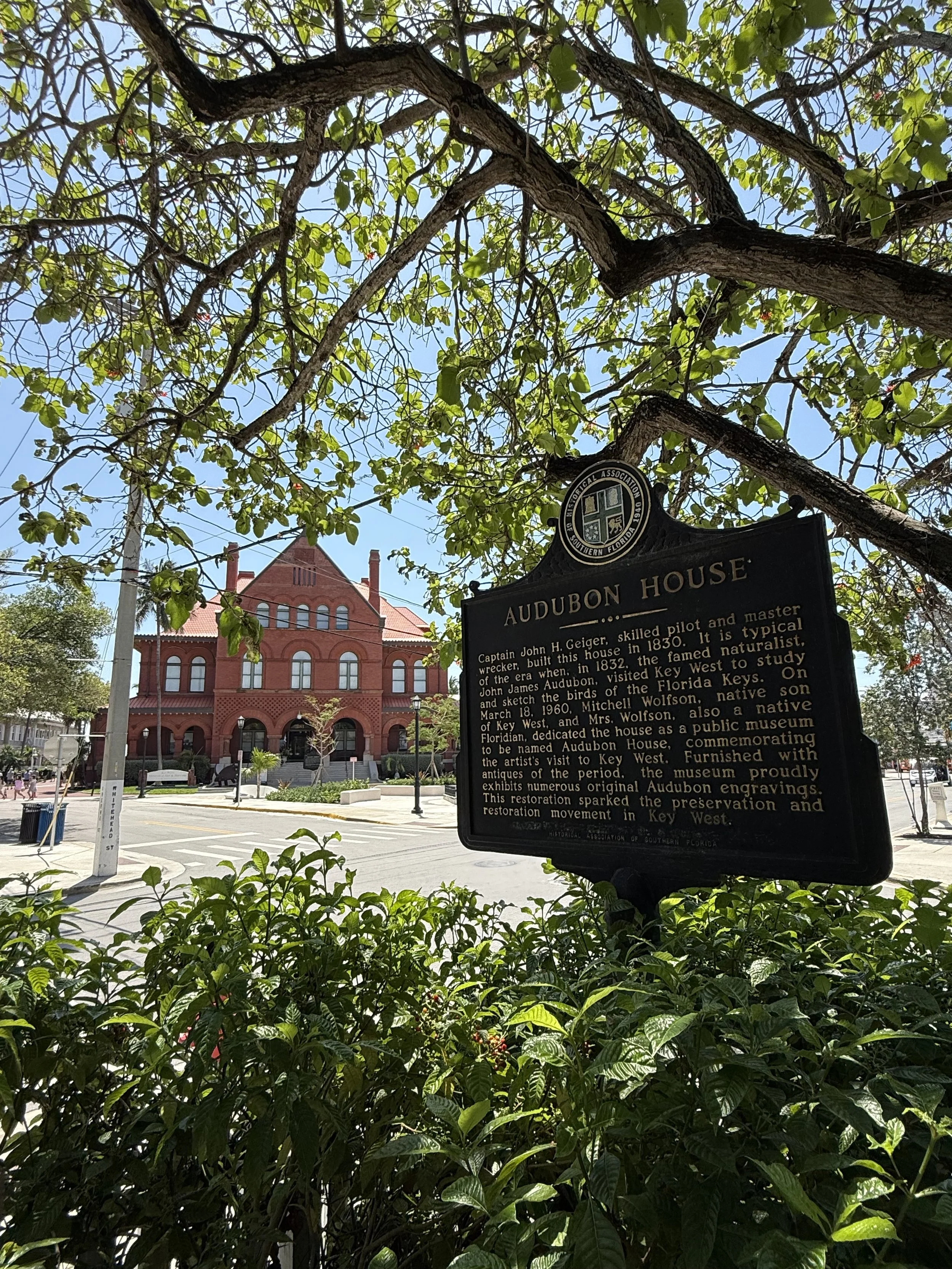
Location: The Audubon House and Tropical Gardens is located at the corner of Whitehead St. and Greene St. This is a busy intersection, with several well-known institutions close by. The cultural heritage institution neighbors include the Mel Fischer Maritime Museum, the Key West Museum of Art & History at the Custom House, the Shops at Mallory Square in the historic U.S. Coast Guard building, the Key West Aquarium, and Mallory Square. Whitehead St. is one block off Duval St., the main tourist thoroughfare running through Old Town Key West. This location is ideally situated near tourist attractions, spacious luxury hotels and boutique guest houses, popular bars and restaurants. The area is easily walkable and has bike racks available.
Date Visited: 6 July 2025
History
Captain John H. Geiger built the Audubon House at the corner of Whitehead St. and Greene Street. Captain Geiger worked as the Key West Harbor Master and had his own shipwreck salvage business, which was immensely lucrative in the mid-1800s. The original home was destroyed in the Hurricane of 1846; the current home was built in the aftermath by local shipbuilders and finished in 1849. Due to the home’s methodical builders and materials, the house still stands today. Original features include the Dade County Pine floors (a now-extinct wood that is nearly impervious to termites), the Cyprus doors, and Mahogany stairs. In the 1840s and prior to the construction of the US Navy base, the Geiger family home was waterfront property. It directly viewed the beach and surrounding waters. Captain Geiger used this to his advantage and had his “cupula” built; this room with a high vantage point ensured Geiger could quickly spot ships in trouble on the reef, thus alerting his wreckers first. By having a front seat view of potential shipwrecks and quickly salvaging the ship and its contents, Geiger was able to amass a large fortune. Geiger and his wife had twelve children, with most surviving to adulthood. It is said that the home boasted a very active social life, especially as Geiger had seven daughters. At the time, Key West had a population of roughly 500 (very slim dating prospects…).
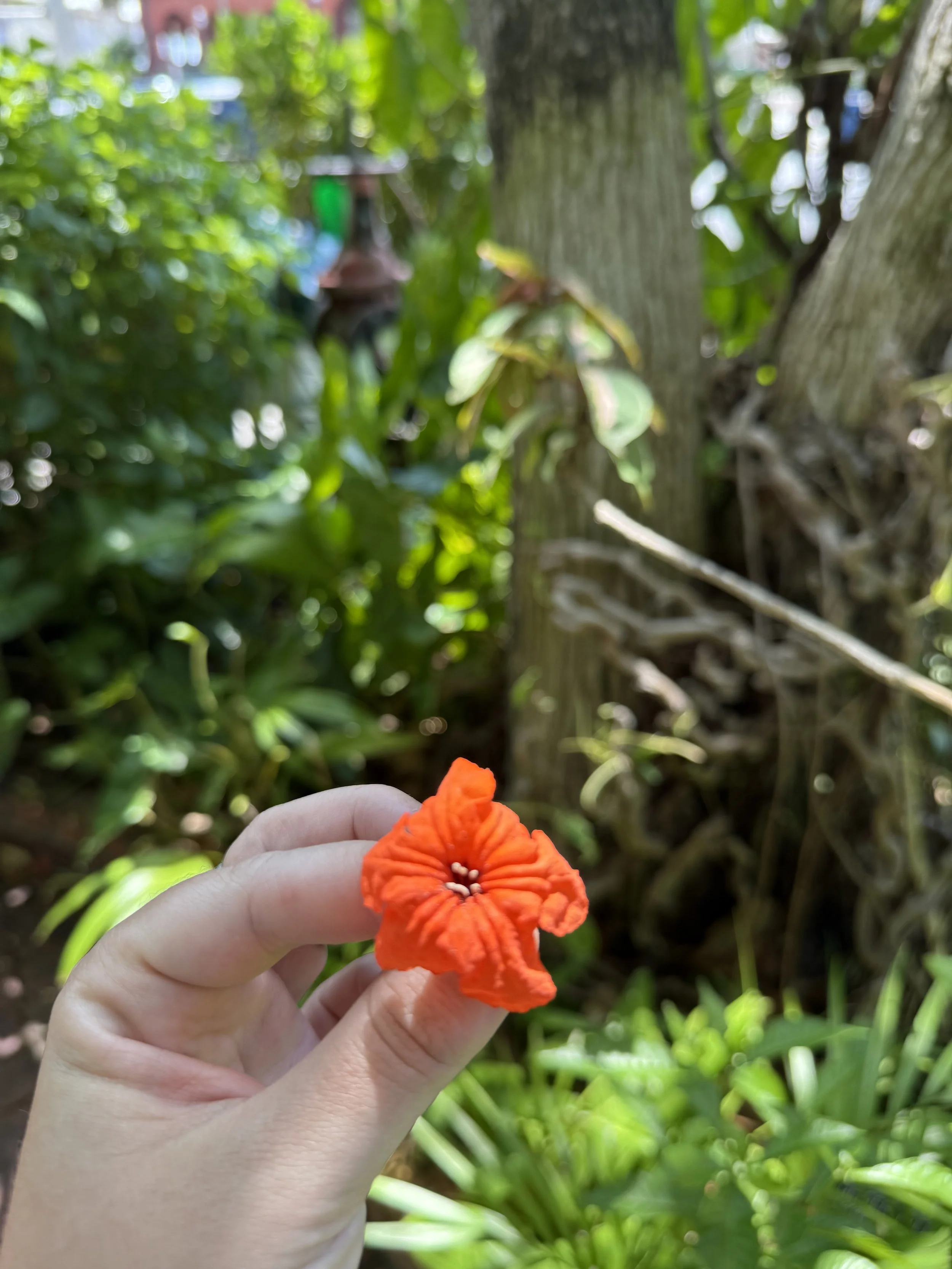
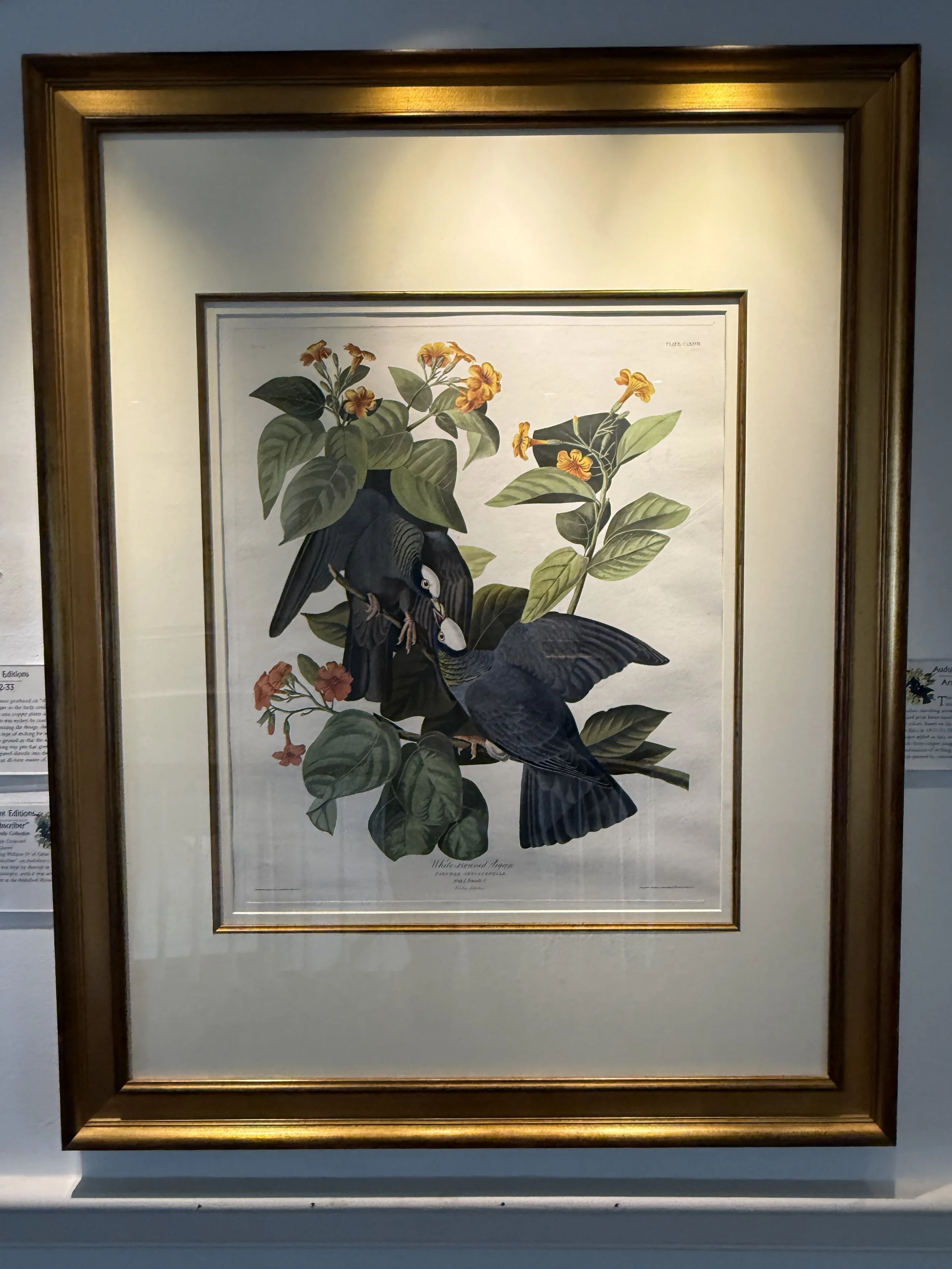
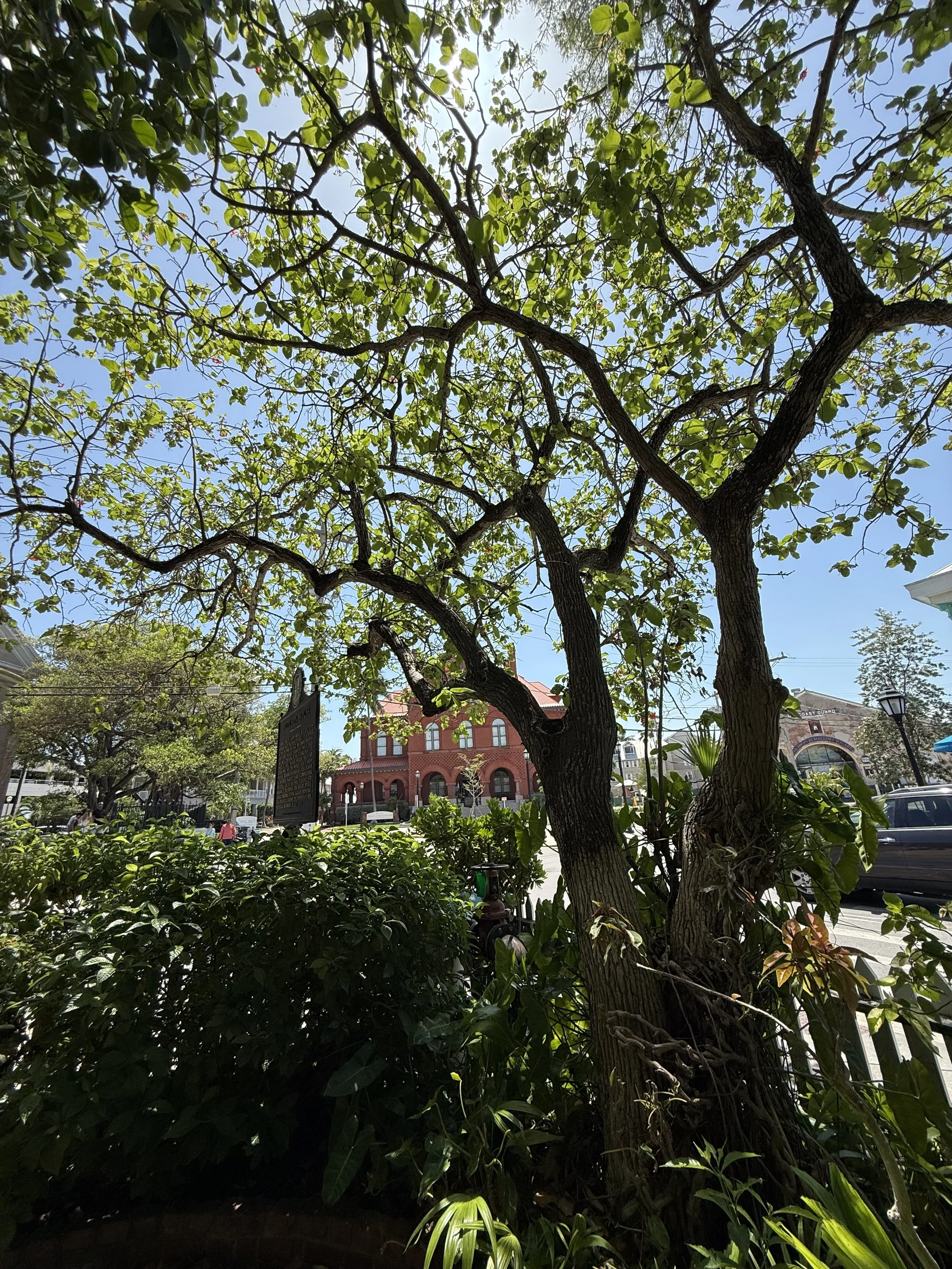
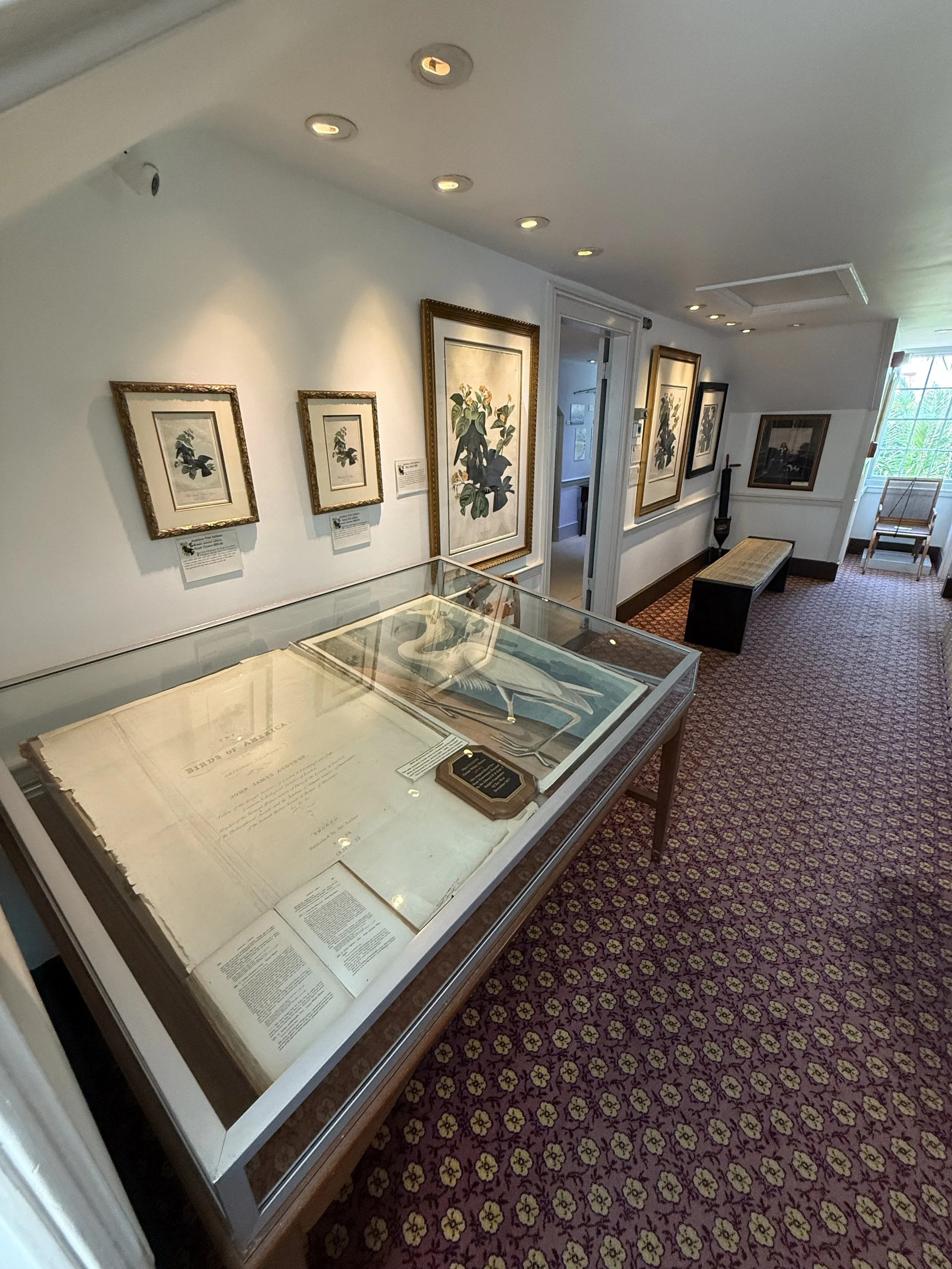
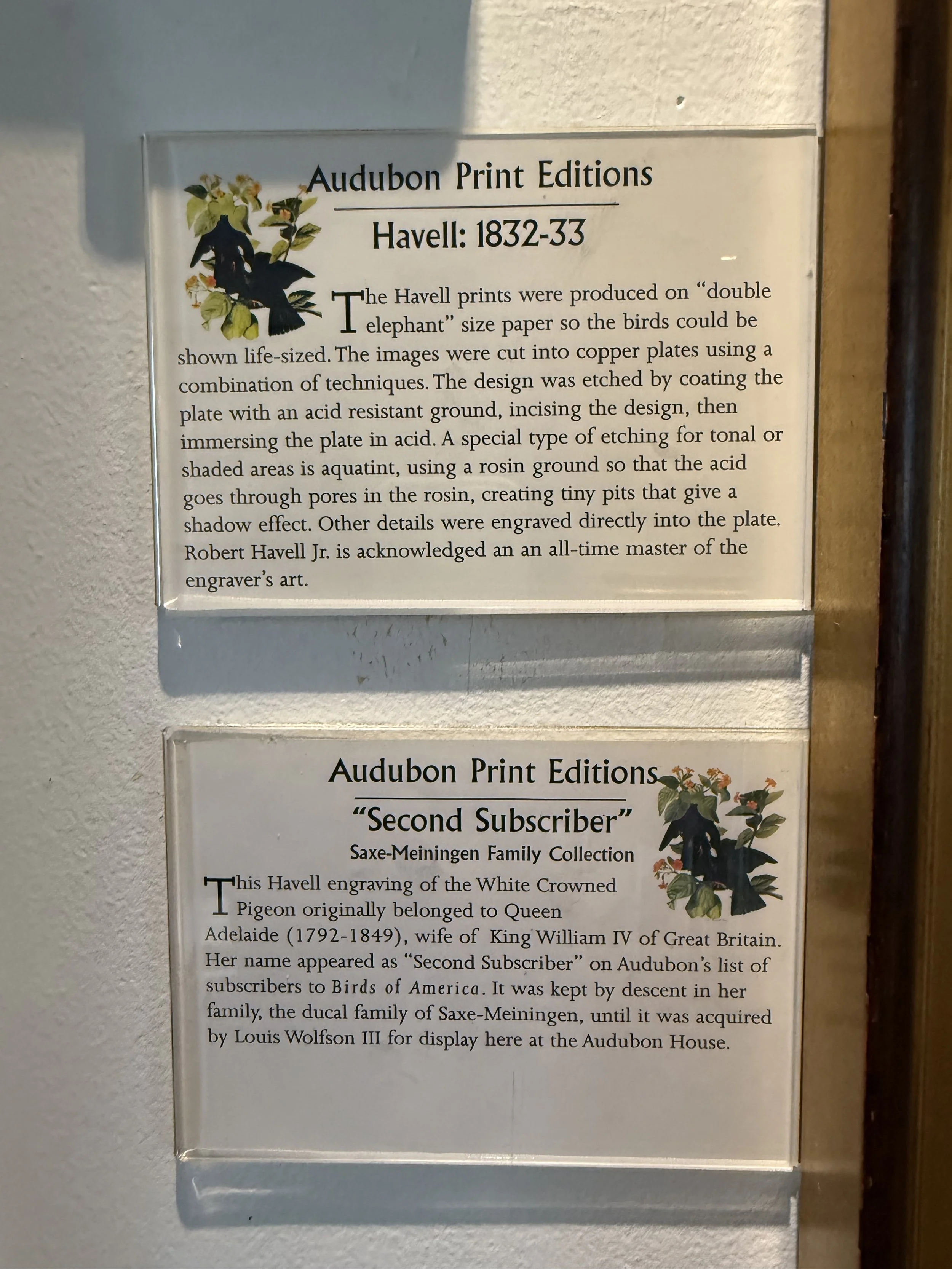
Despite its name, John James Audubon never lived on the property. Audubon visited Key West in 1832 with a letter of introduction to Dr. Benjamin Strobel, a neighbor of Captain John H. Geiger. Audubon never stayed overnight on the island of Key West due to his concerns about yellow fever (malaria) and returned to his ship each night to sleep. During his stay, it is said that Audubon became enamored with a unique tree on Geiger’s property. This tree features bright orange-red blossoms and is now known as the Geiger tree, so named in honor of John H. Geiger and his red hair. It is said that the tree grew from a cutting Geiger brought back to Key West from his travels to Cuba. The original tree still stands at the corner of the property, overlooking the gardens and busy intersection. The Geiger tree is featured in Audubon’s White Crowned Pigeons.
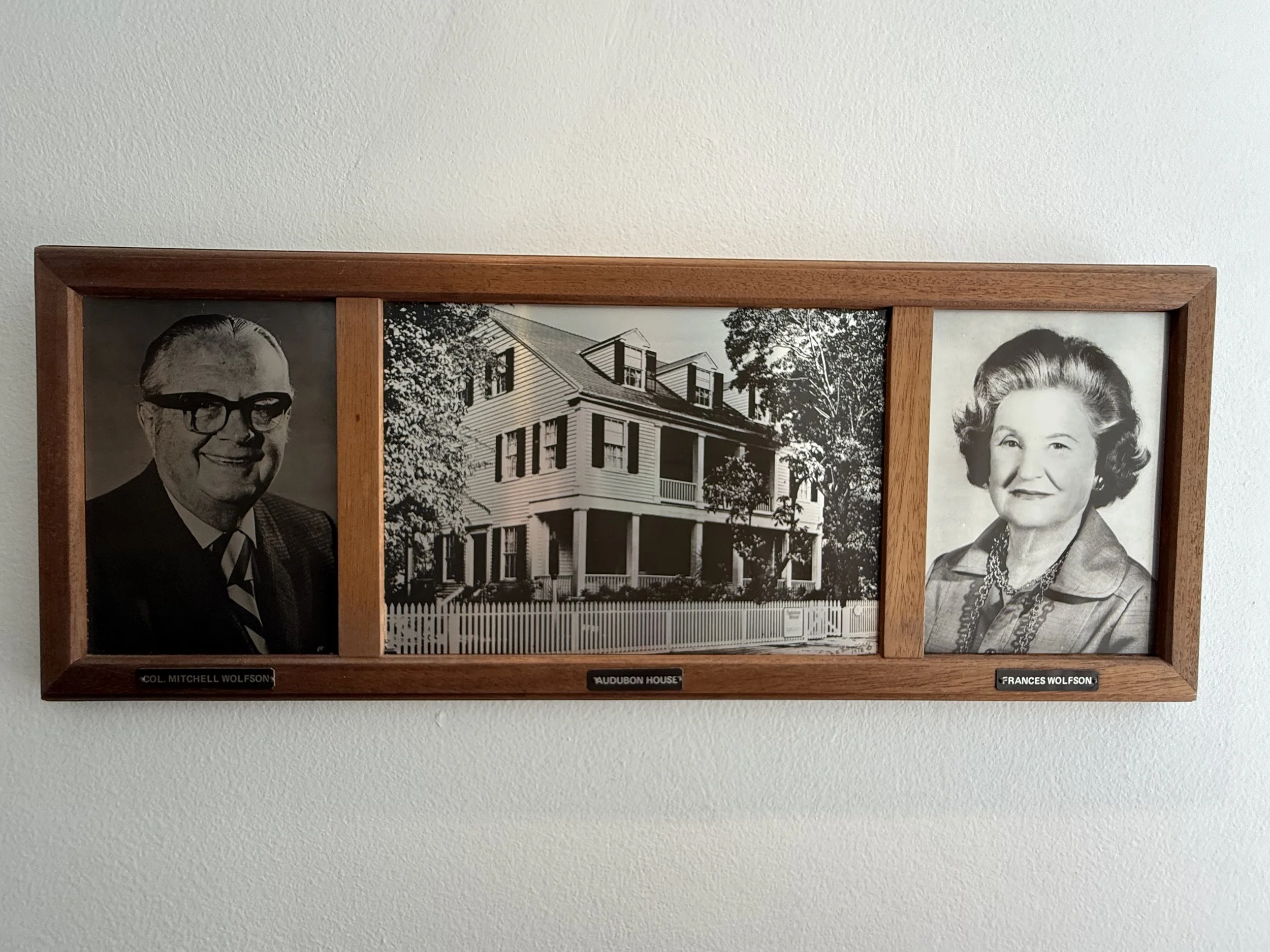
The Geiger family lived on the property for 110 years and the last family inhabitant was Captain William Bradford Smith. He lived alone for over 20 years, without electricity or running water, and let the home fall into disrepair. After Smith’s death, the home was up for sale in 1958 and slated for demolition. “Jessie Porter, a local citizen and family friend, alerted Mitchell and Frances Wolfson to the impending destruction of the Geiger home” as the Wolfsons were originally from Key West, but had relocated to Miami. The home was restored to function as a museum, which opened in 1960. It is said that the two-year restoration inspired the restoration movement within Key West to preserve the island’s unique architecture, history, and way of life.
Partnerships
The Audubon House and Tropical Gardens is an independent non-profit, established by the Mitchell Wolfson Family Foundation. Although not directly affiliated with sister museums, Mitchell Wolfson Jr. also established the Wolfsonian in Miami as well as the Wolfsoniana in Genoa, Italy.
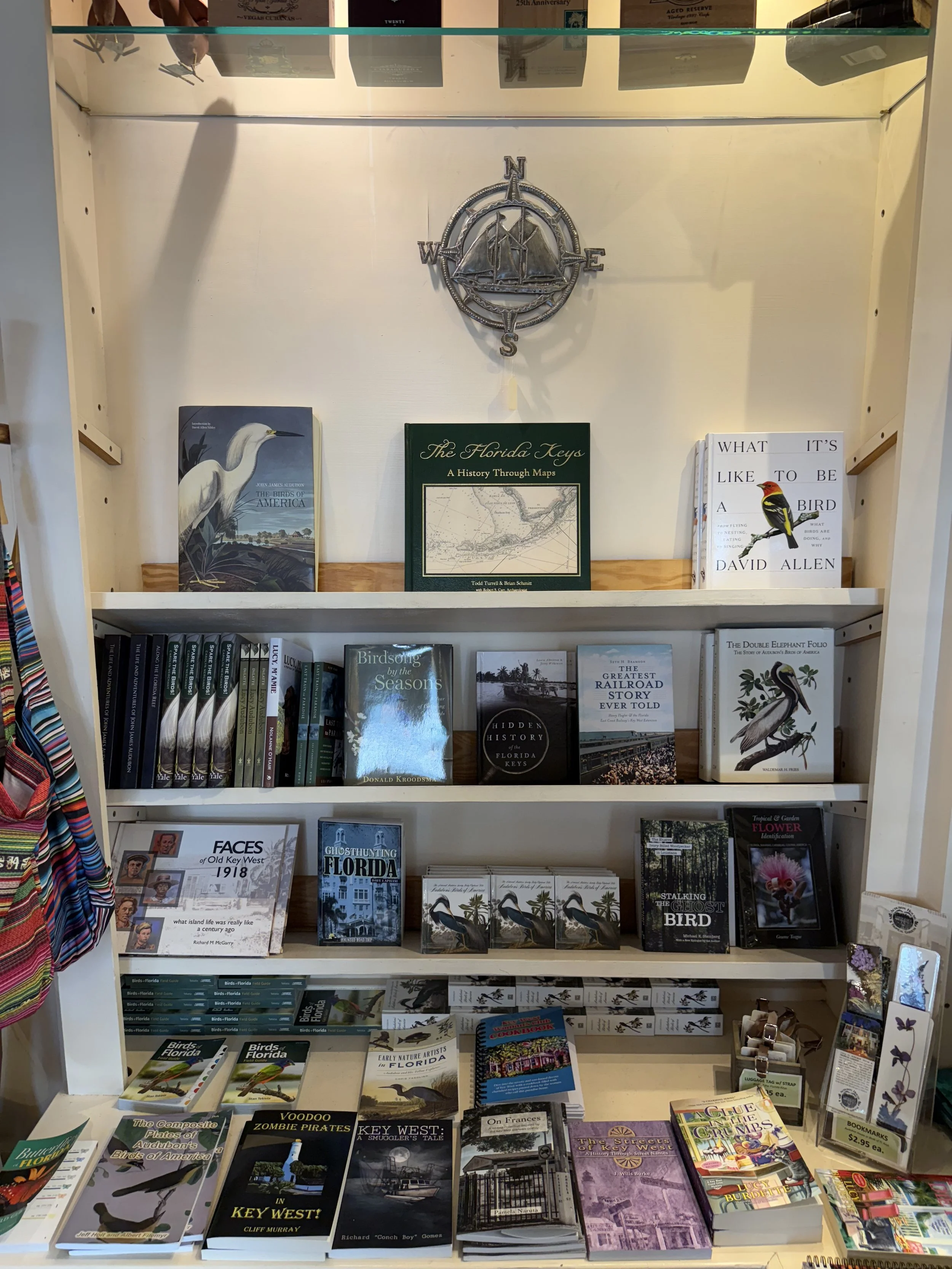
Although not entirely separate entities, the Audubon House features distinct amenities in its Museum Store, Gallery Store, and Framing Shop. The Museum Store closely adheres to the House and Tropical Gardens’ operating hours and is open to the public from 9:30am to 5pm (last ticket sale is at 4:15pm). The Museum Store boasts work and prints by local artists, souvenirs, as well as books relating to Florida Keys and Key West History, James John Audubon, and birds.
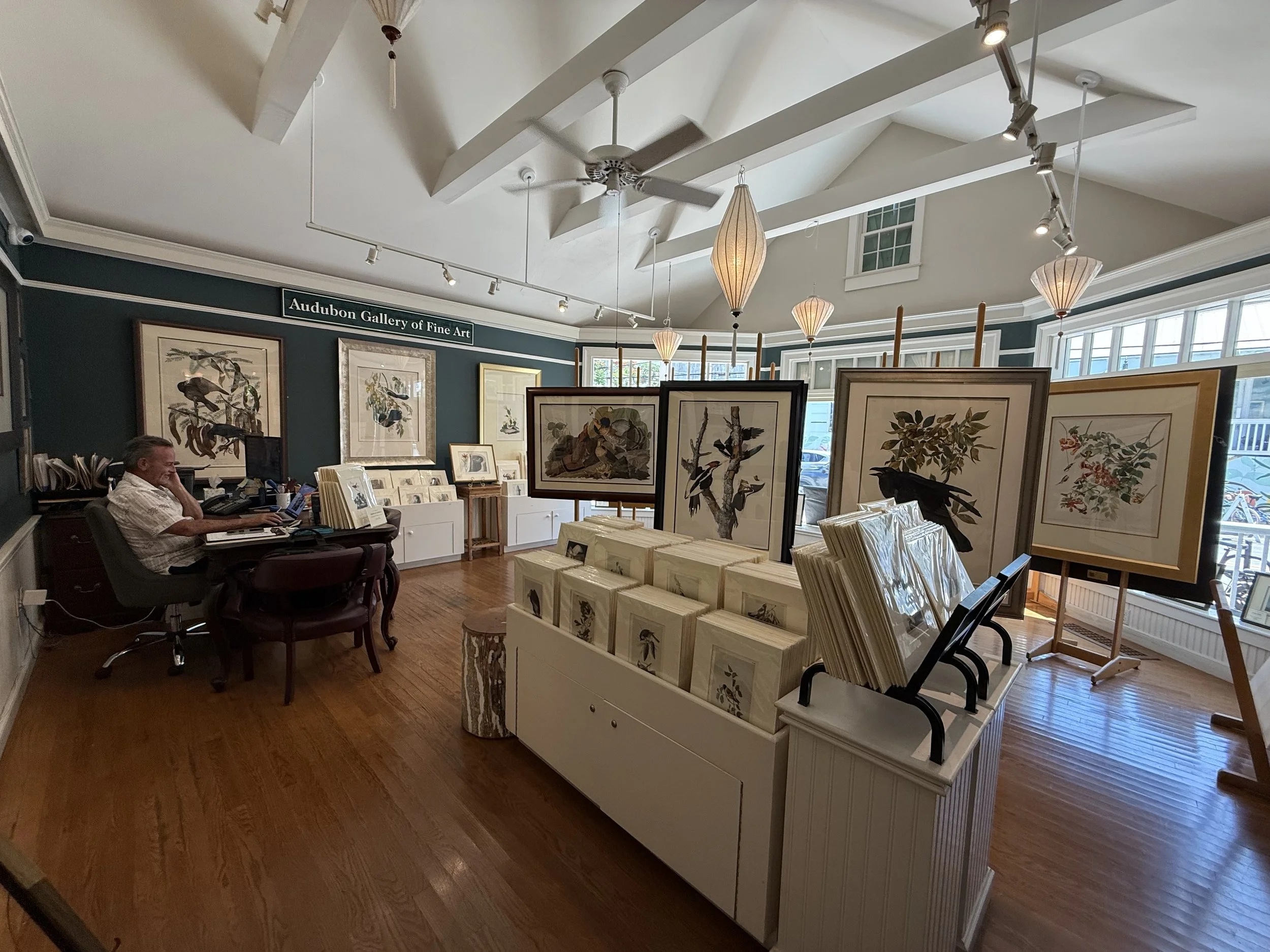
The Gallery Store is housed in the same building as the Museum Store, but nestled in its own area. Many print editions of Audubon’s work are available, such as the First Edition Octavos, First Edition Octavos Framed, Havells, Heritage Edition, and Later Edition Octavo. The Frame Shop is listed separately on the website, but is a facet of the Gallery Shop. “Period correct frames which would have been popular in the mid-nineteenth century when John James Audubon completed his Birds of America” as well as contemporary-style frames are available. The Frame Shop uses archival materials, such as cotton fiber matting, UV glazed plexiglass, and museum quality frames; these materials ensure that framed artworks are resistant to environmental pollutants such as light, humidity, or pests. The Audubon House Galley and Frame Shop ships internationally and an online store, so purchases do not have to be made in person.
Accreditation Status
The Audubon House and Tropical Gardens is not accredited by the AAM, nor has it participated in MAP. The Audubon House is a member of the Florida Alliance of Museums (FAM) and is listed under the tags for Art, Botanical Garden, History, and Historic House.
Publications & Library Connections
The Audubon House and Tropical Gardens does not have any formally published articles, books, or publications. The institution’s website features a News Blog; however, the blog only has two posts of its own, entitled Welcome to Our Website and The Audubon Experience. The most recent blog post is dated 11 May 2021.
Programs
Currently, the Audubon House only offers self-guided tours throughout the property during regular opening hours. No additional institution-led events are advertised or available; however, the property is available to rent for private events and weddings. The Audubon House and Tropical Gardens is carefully maintained and adapted to host events, with bistro lights strung across the red-brick courtyards and paths. The property is well-suited to host intimate weddings and events, with stunning lush and vibrant botanical backdrops. The institution is featured on the Knot wedding website. The Audubon House notes that “the gardens can accommodate wedding receptions and corporate dinner parties for up to 130 guests, and cocktail style events for up to 250 guests.” I think this is a dynamic path forward for institutions without a problematic history to remain relevant or in demand beyond educational pursuits and interests. Key West is a well-loved destination city and many historic landmarks offer event or wedding venue options, including my previous report location the Key West Lighthouse and Keeper’s Quarters, as well Fort East Martello Tower Museum, Key West Garden Club at West Martello Tower, the Hemingway House, and more.
Experience
This is my second time visiting the Audubon House & Tropical Gardens, and both visits have been alone. Visitors enter through the Museum Store, a separate building from the Audubon House. This building also features two accessible bathrooms and a ramp leading to the brick courtyards. The foliage is lush, vibrant, and verdant, nearly obscuring the Audubon House and the replica cook house in the rear of the property.
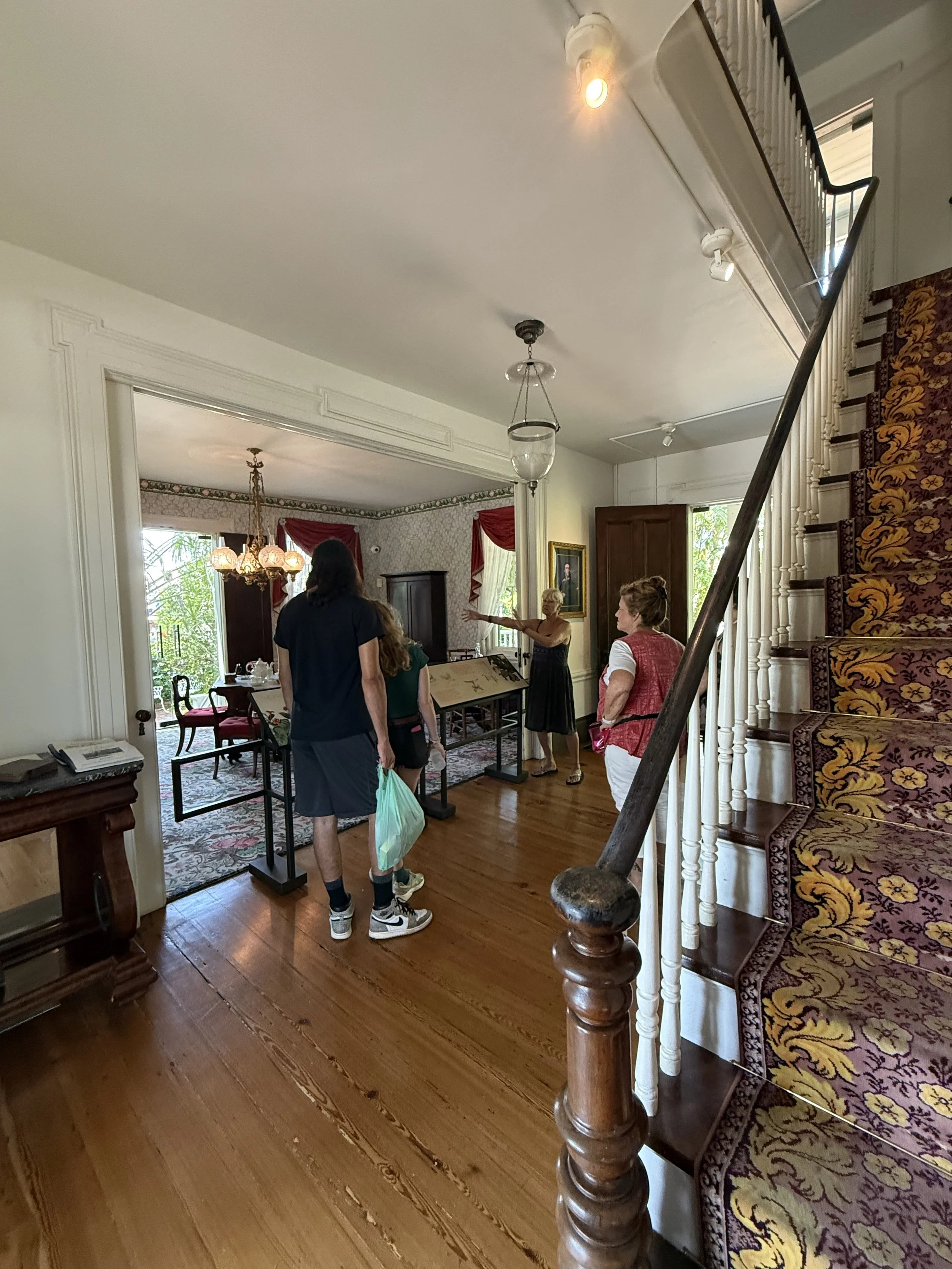
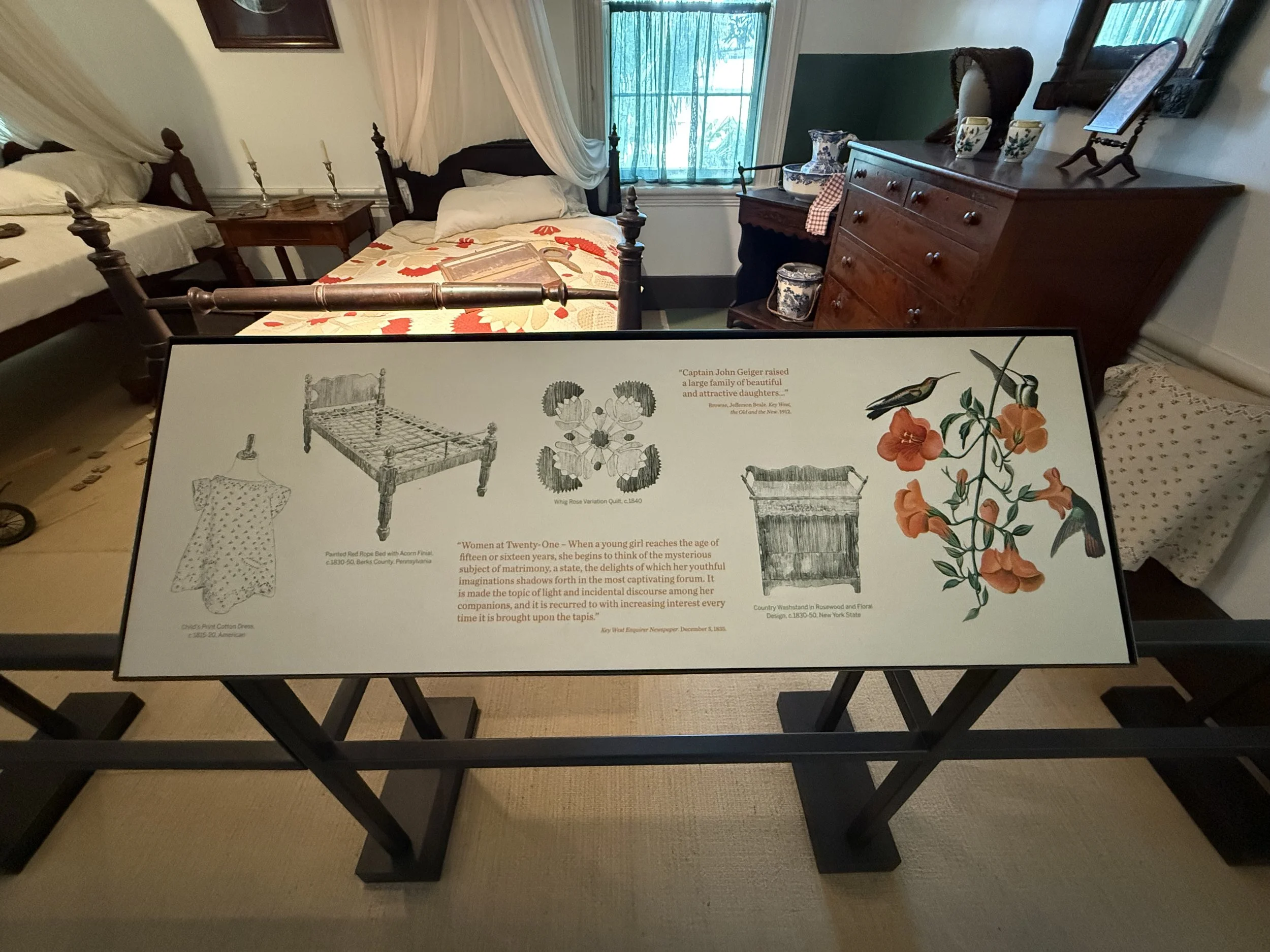
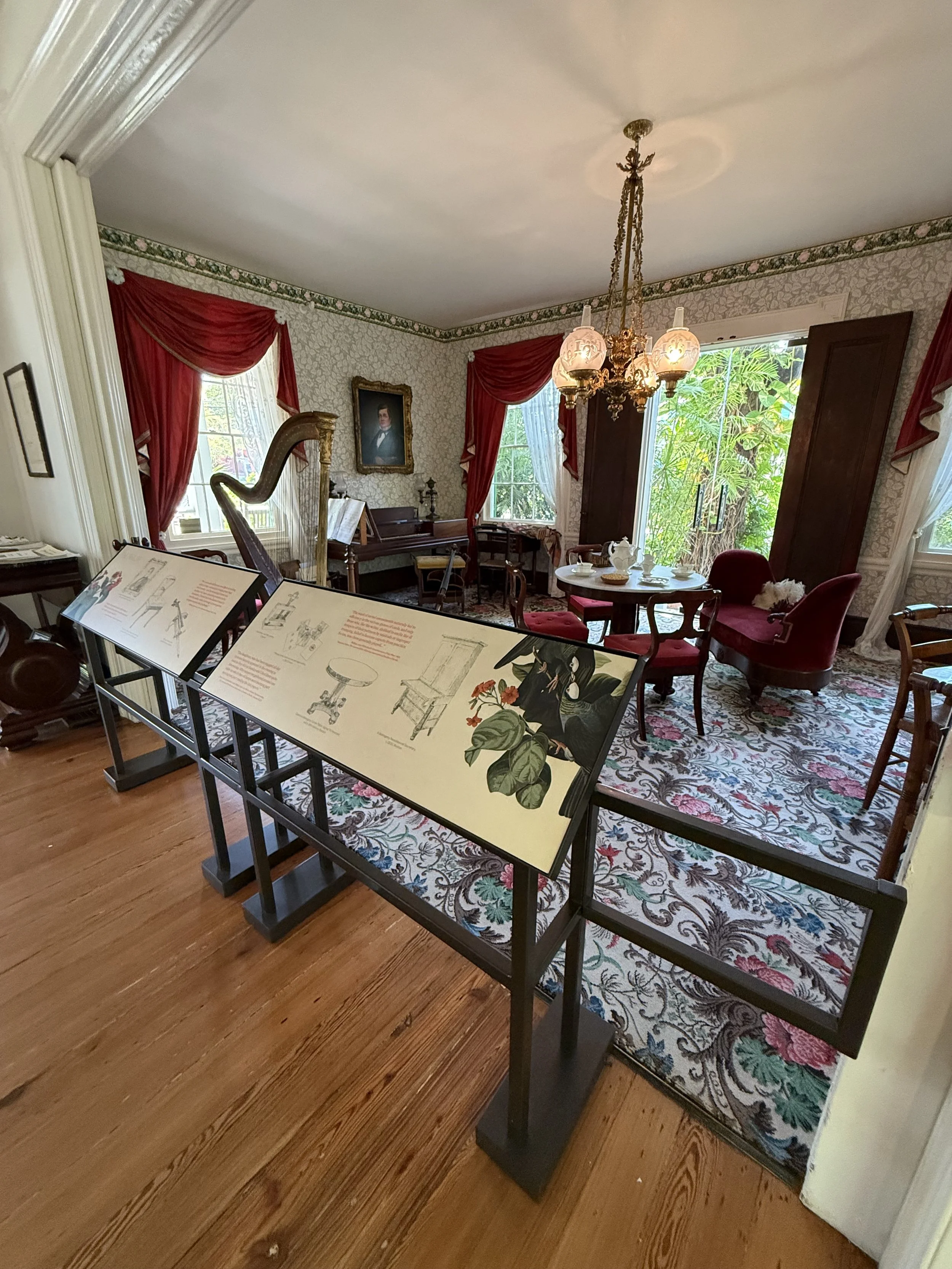
Once visitors enter the Audubon House, the docent gives a lecture covering the history of the house and the Geiger family, Audubon’s visit to Key West and his subsequent Birds of America prints, and the restoration saga. I arrived in the middle of her lecture and she graciously covered the beginning sections I missed once she finished. The first floor consists of the parlor and dining rooms, both decorated in period-appropriate furniture and Geiger family heirlooms. The accompanying texts identify items of note in the rooms, display quotes from personal letters and Key West publications from the mid-1800s, and incorporate illustrations and prints by Audubon.
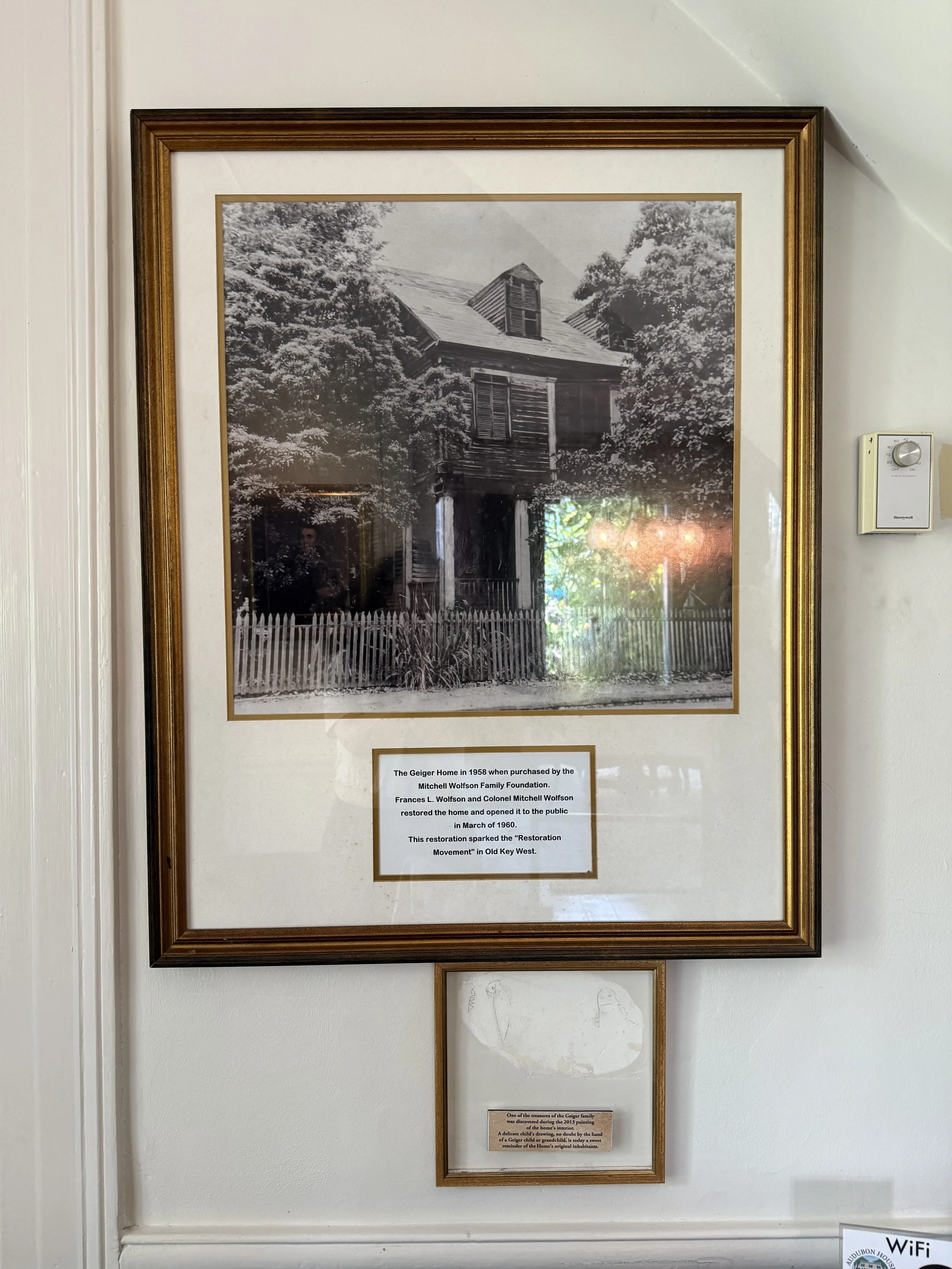
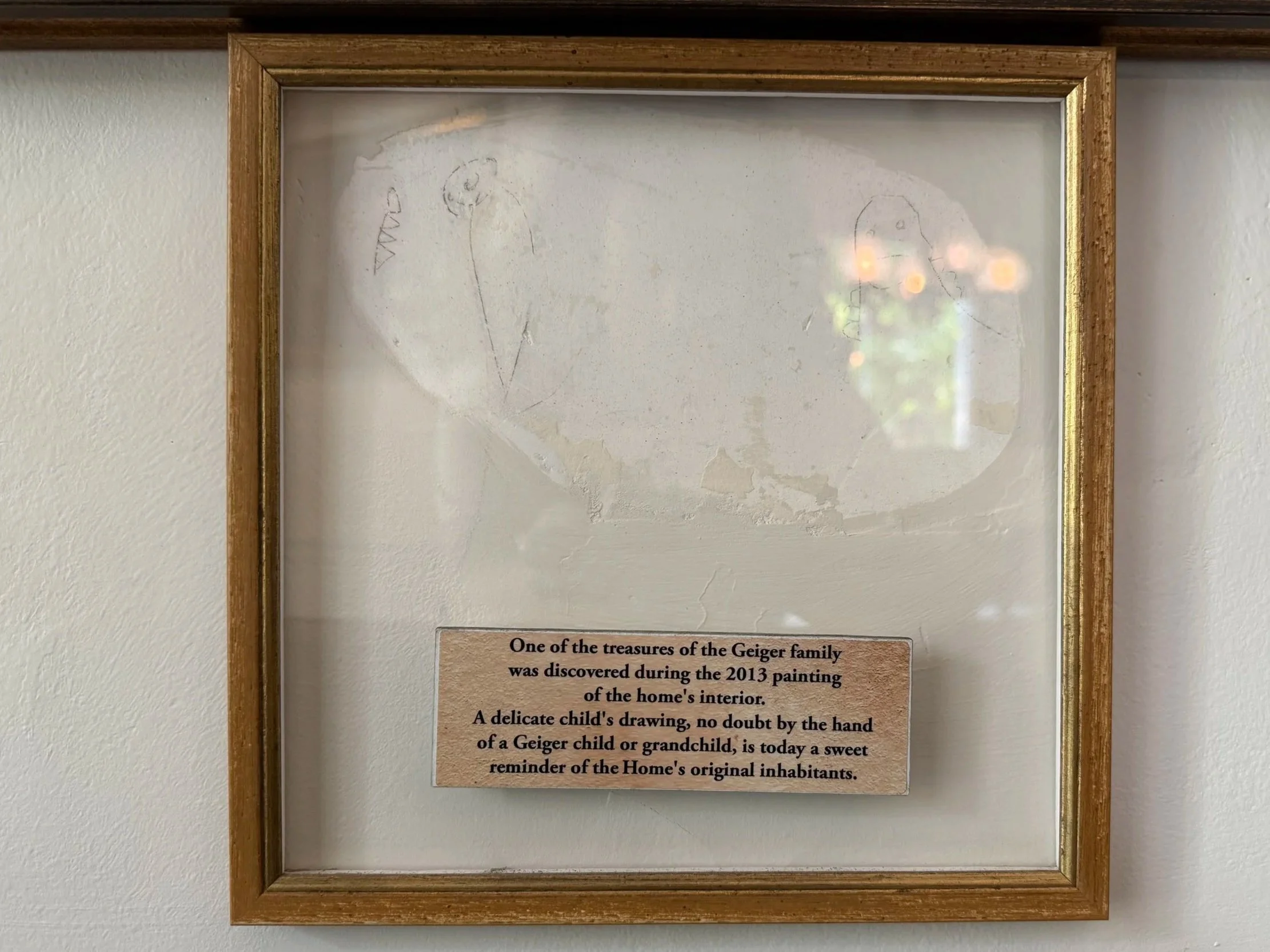
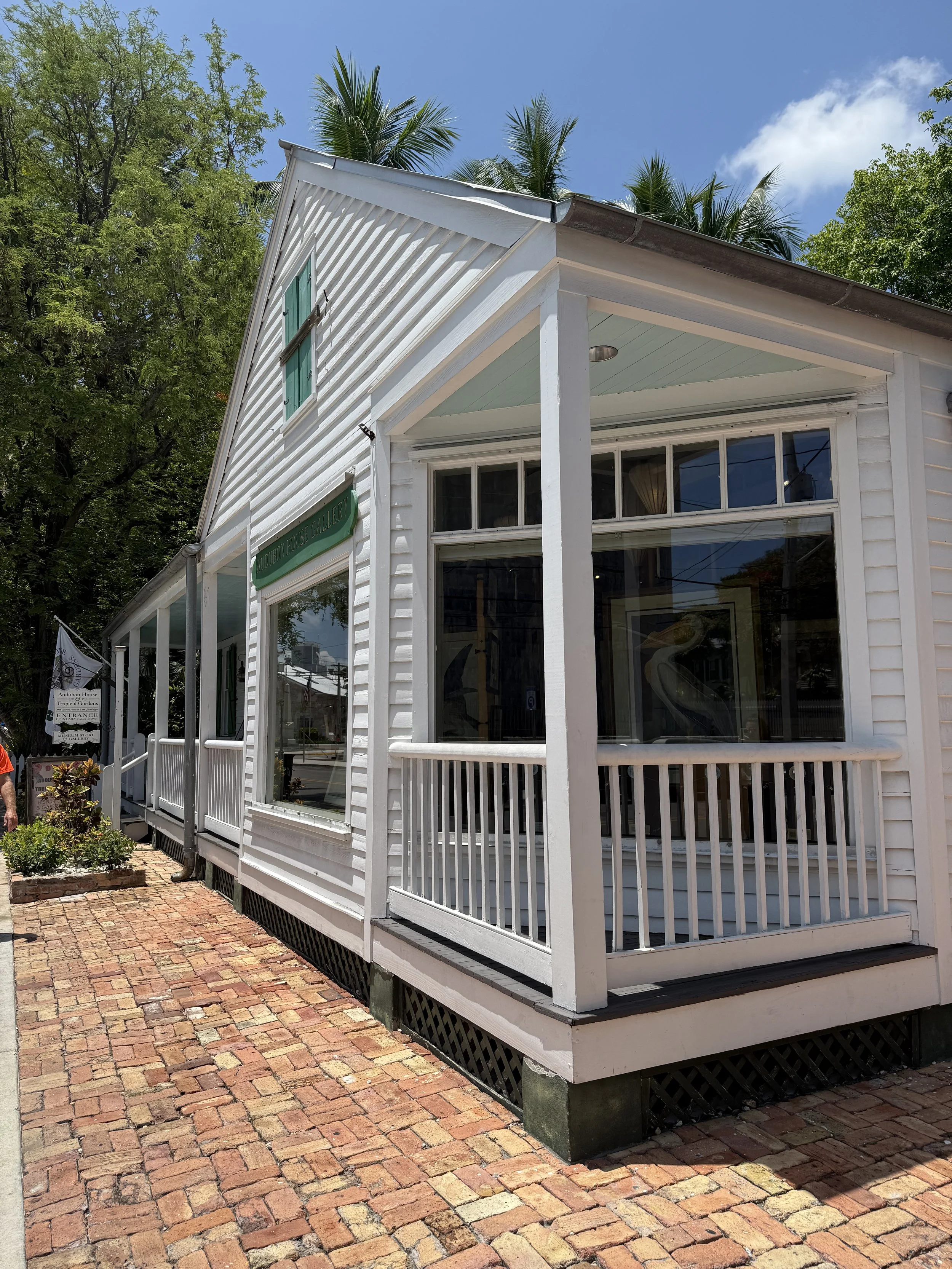
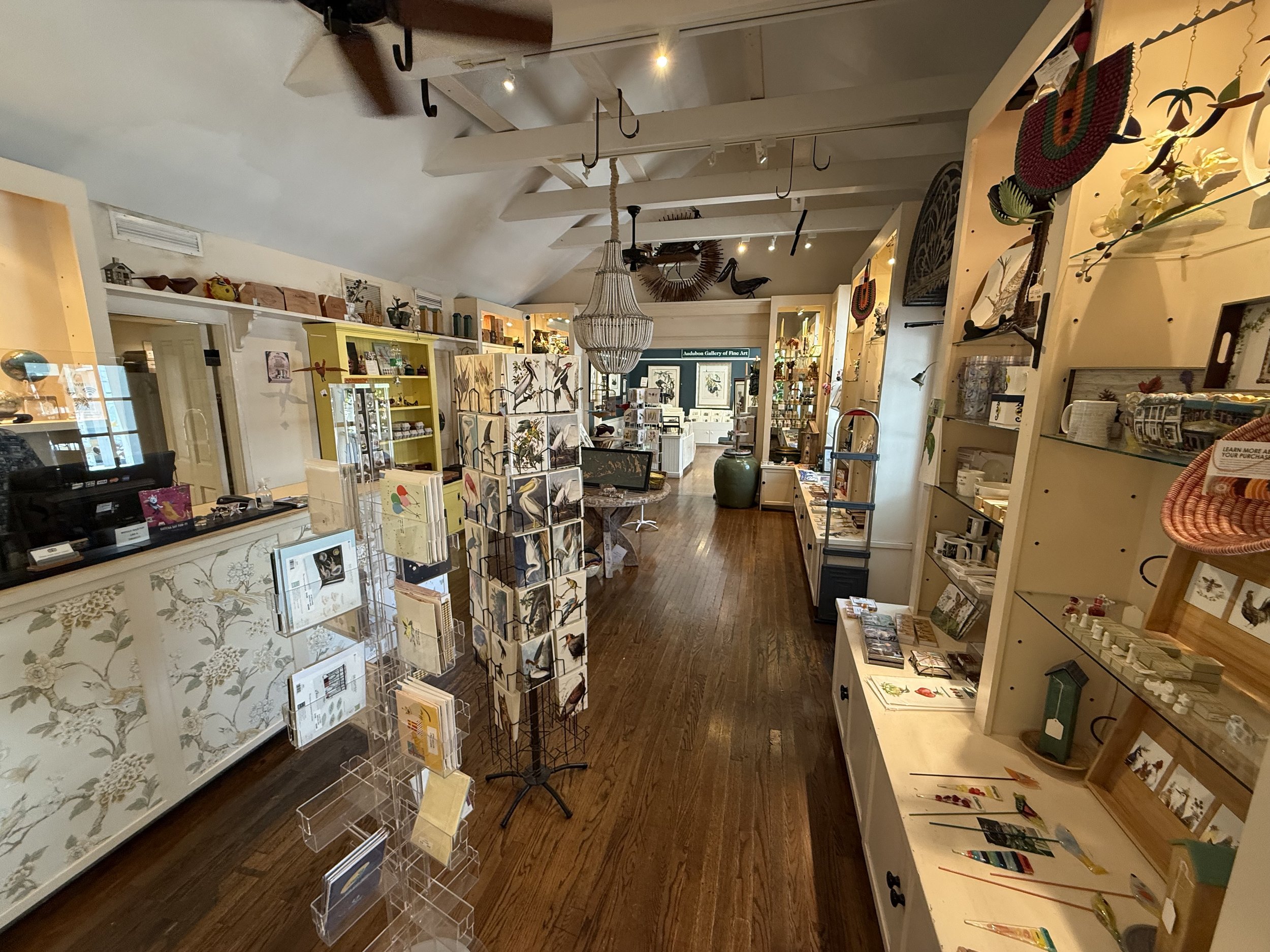
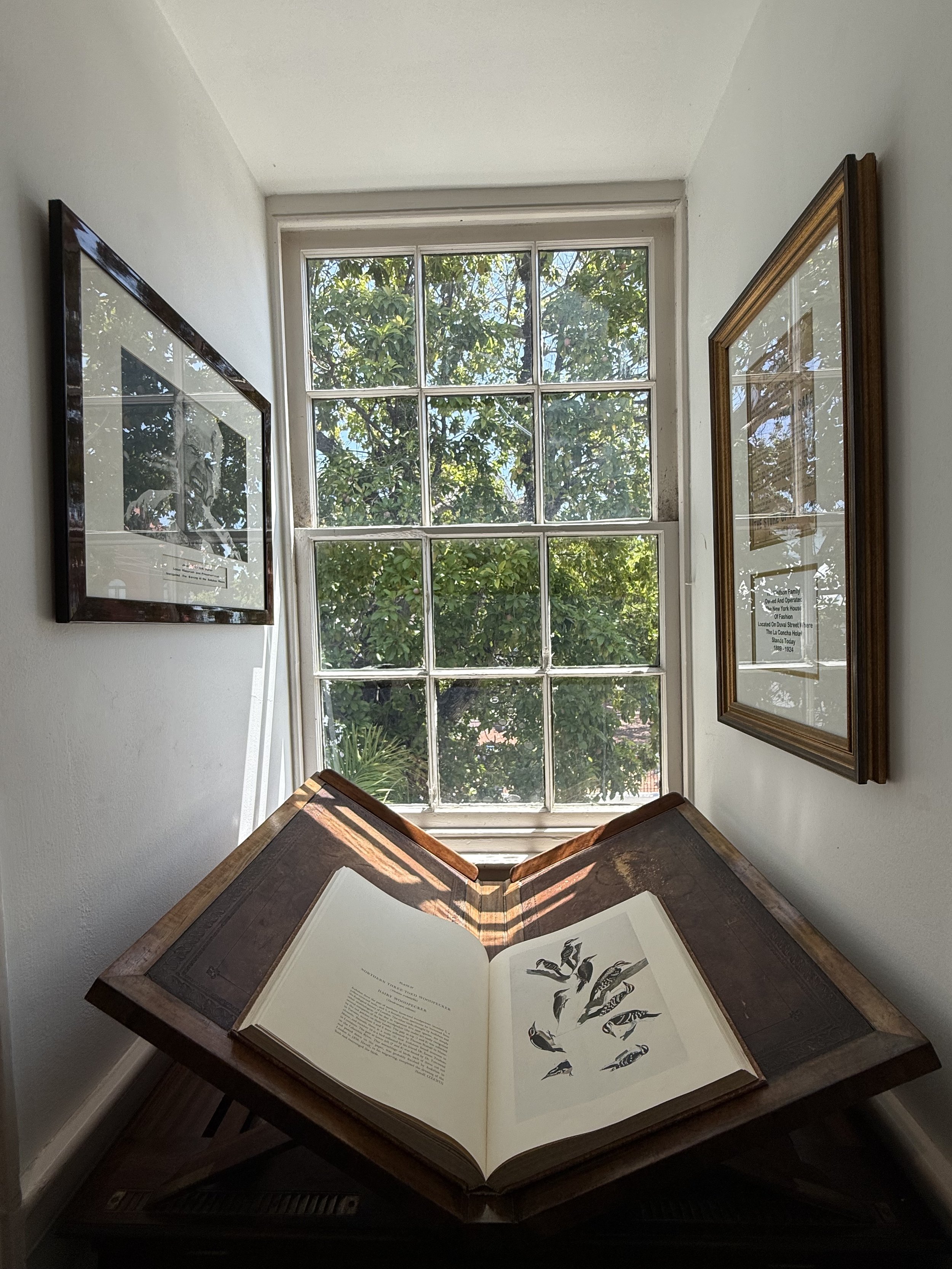
The second floor consists of the Master Bedroom, the Girls’ Room, and two balconies. Many of Audubon’s largescale prints are on display throughout the home and prominently on view in the stairwell. The third floor showcases historical items from Key West, photographs and additional information on the Wolfsons and their quest to restore the home, and highlights Audubon’s White Crowned Pigeons in all its iterations and editions. Unlike in a history or fine art museum, not all the items are labelled or have their provenance noted for visitors. The bedrooms, parlor, and dining room are arranged to capture life in Key West during the mid-1800s and illustrate the Geiger home. The Audubon House truly encompasses an amalgamation of living history, nearby history, fine art, and botanical facets.
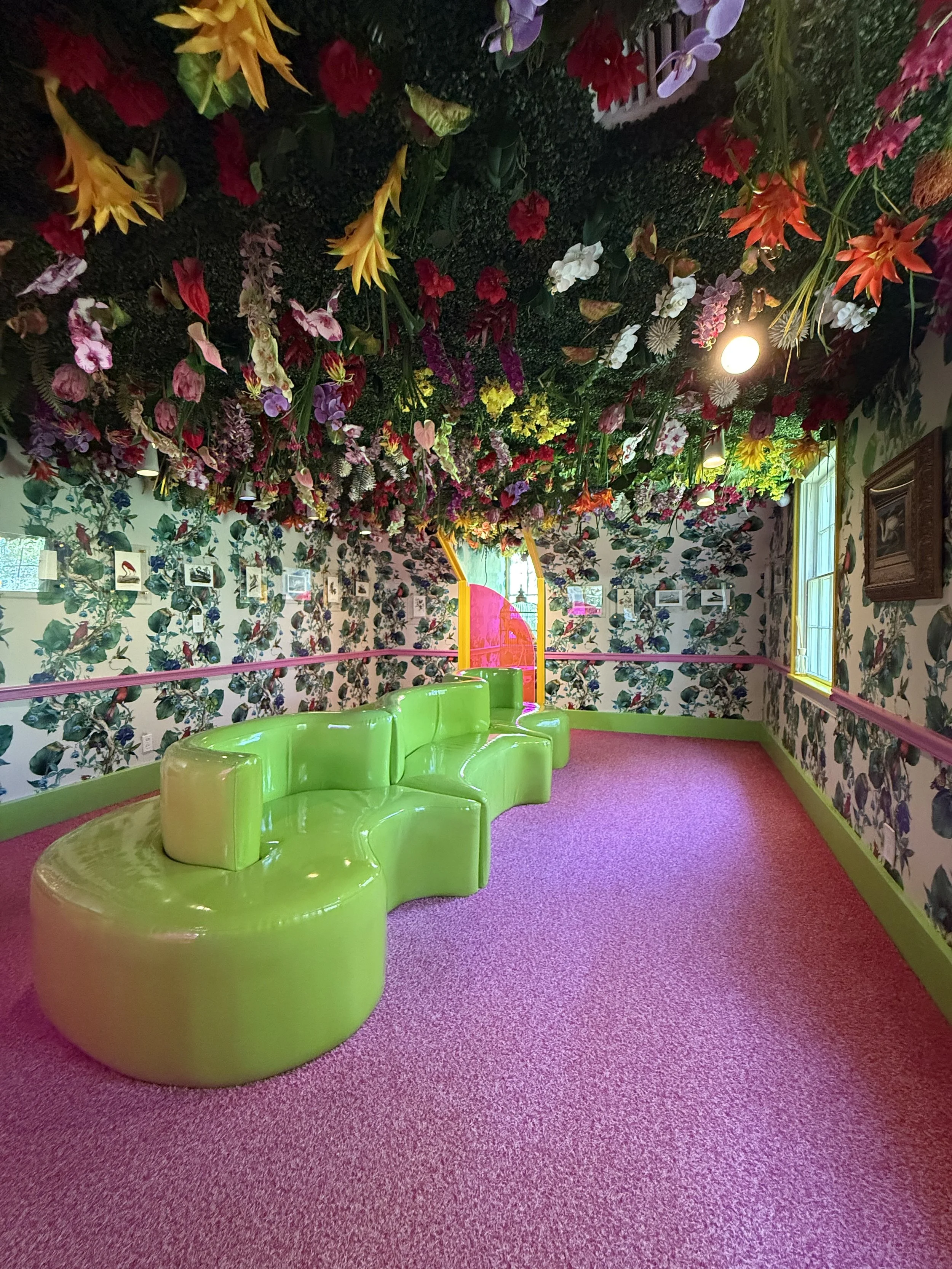
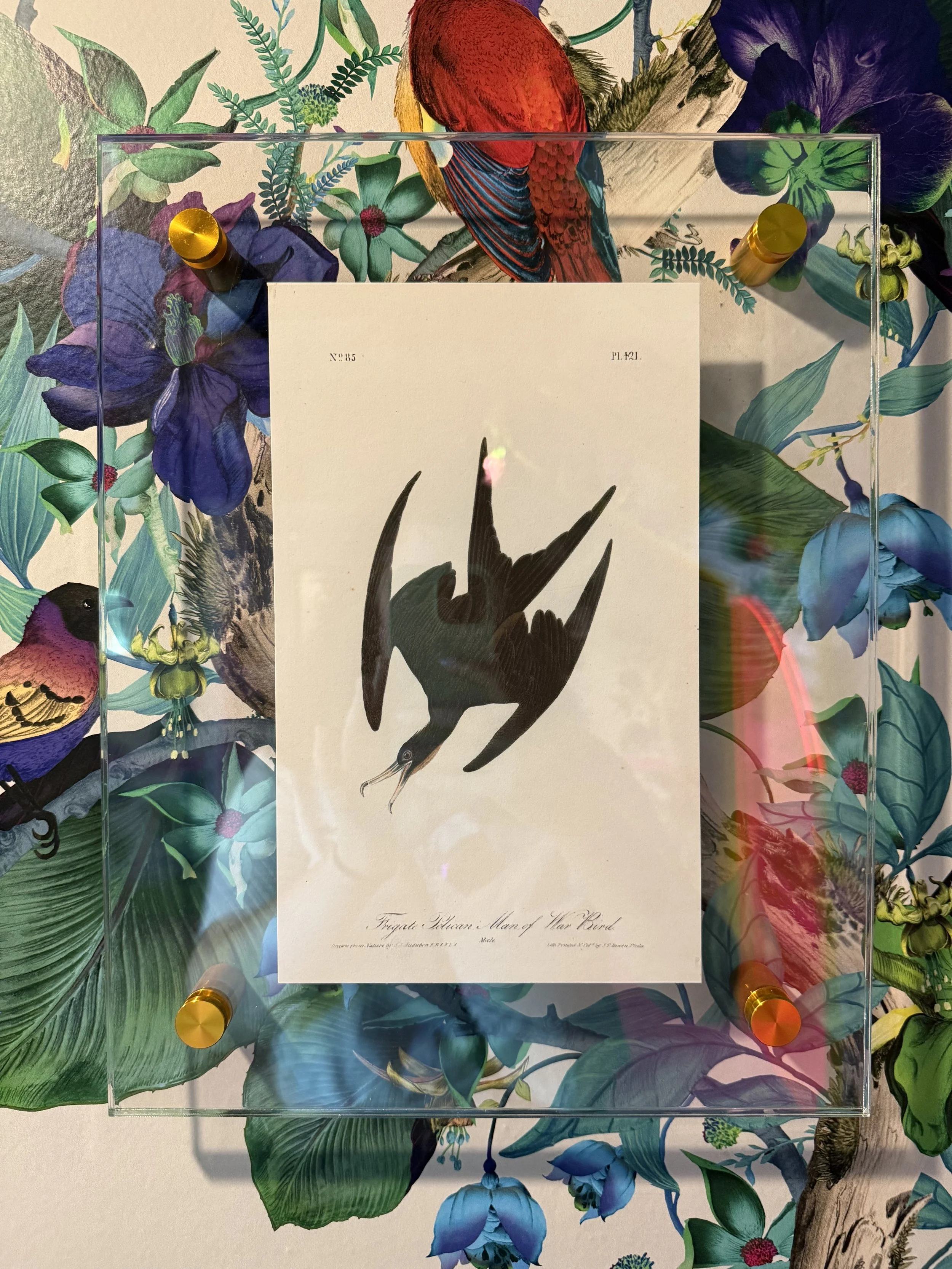
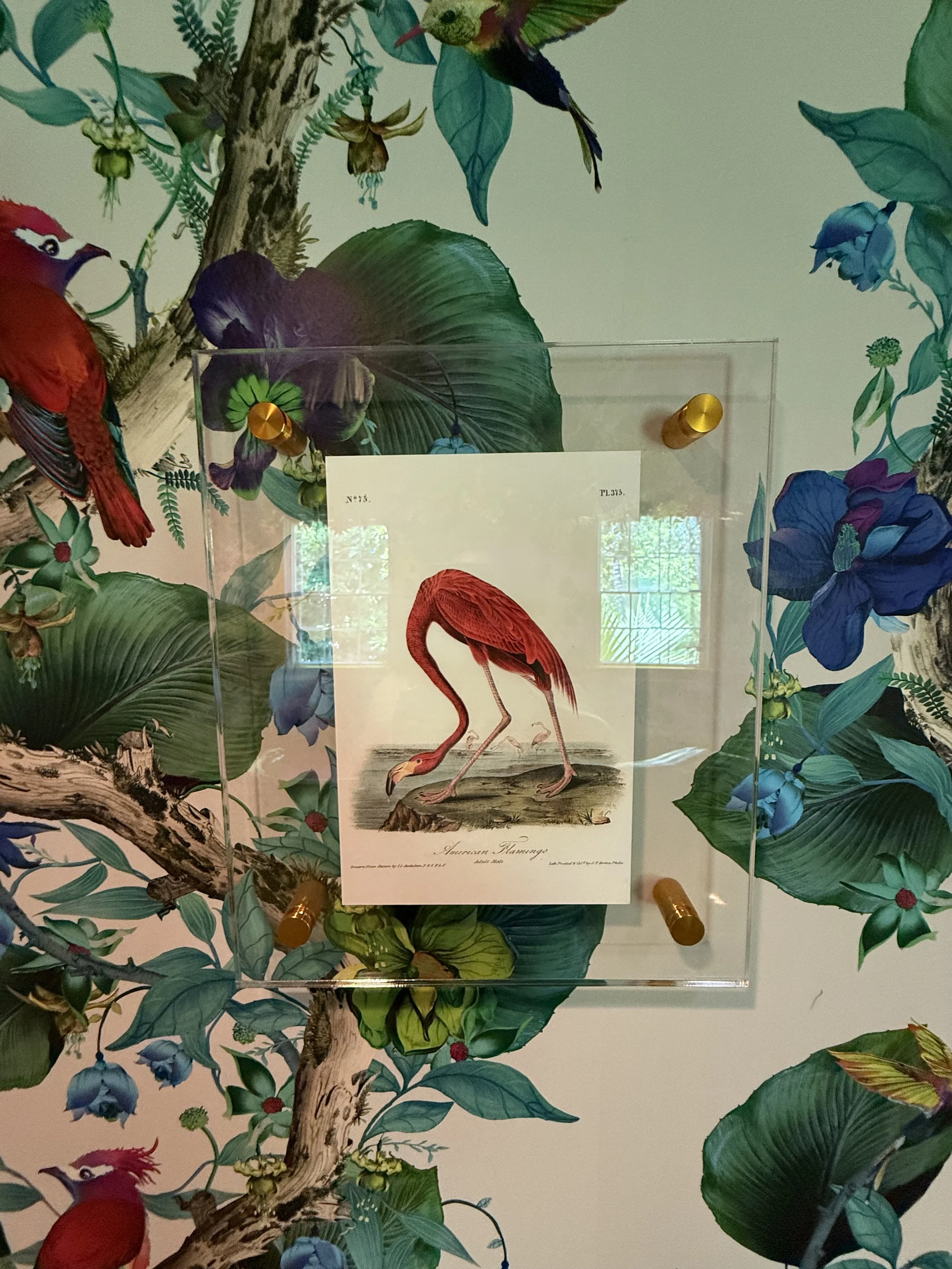
My favorite part of the third floor is the Audubon Experience room. It was renovated in 2019 and is a collaboration between the “Creative Director Cori Mizrahi and Designer Sasha Bikoff, with technology provided by Travis Domm and Alexander Thomen.” The room is a fever dream of bright and bold wallpaper alive with birds and flowers, fuchsia carpeting paired with a neon green couch, and a ceiling of artificial greenery and flowers. Audubon’s prints are displayed at eye level in floating frames, allowing the birds to blend into the wallpaper. It is a hurricane of visual stimuli, with hidden speakers playing local bird calls (including cormorants) and beach sounds, to create an immersive experience. It’s a contemporary hidden gem, squirreled away in the topmost floor of a historic home. I did not know about this room on my first visit; I immediately fell in love with the whole experience and couldn’t wait to write about it for this report!
The Audubon House empties out onto the rear porch, which is spacious enough to accommodate event needs such as a mobile or pop-up bar, catering, ceremonies, dining, or more. The deck’s low-incline ramp is an example of the institution’s recognition of accessible needs for various visitors. Even though the upper floors are inaccessible to visitors with mobility issues, every effort is made to ensure the grounds and amenities are realistically and comfortably accessible. This is great for institution visitors as well as event attendees, including older relatives who may attend weddings at the venue. Ramps lead to the main house, its deck, and the replica cookhouse.
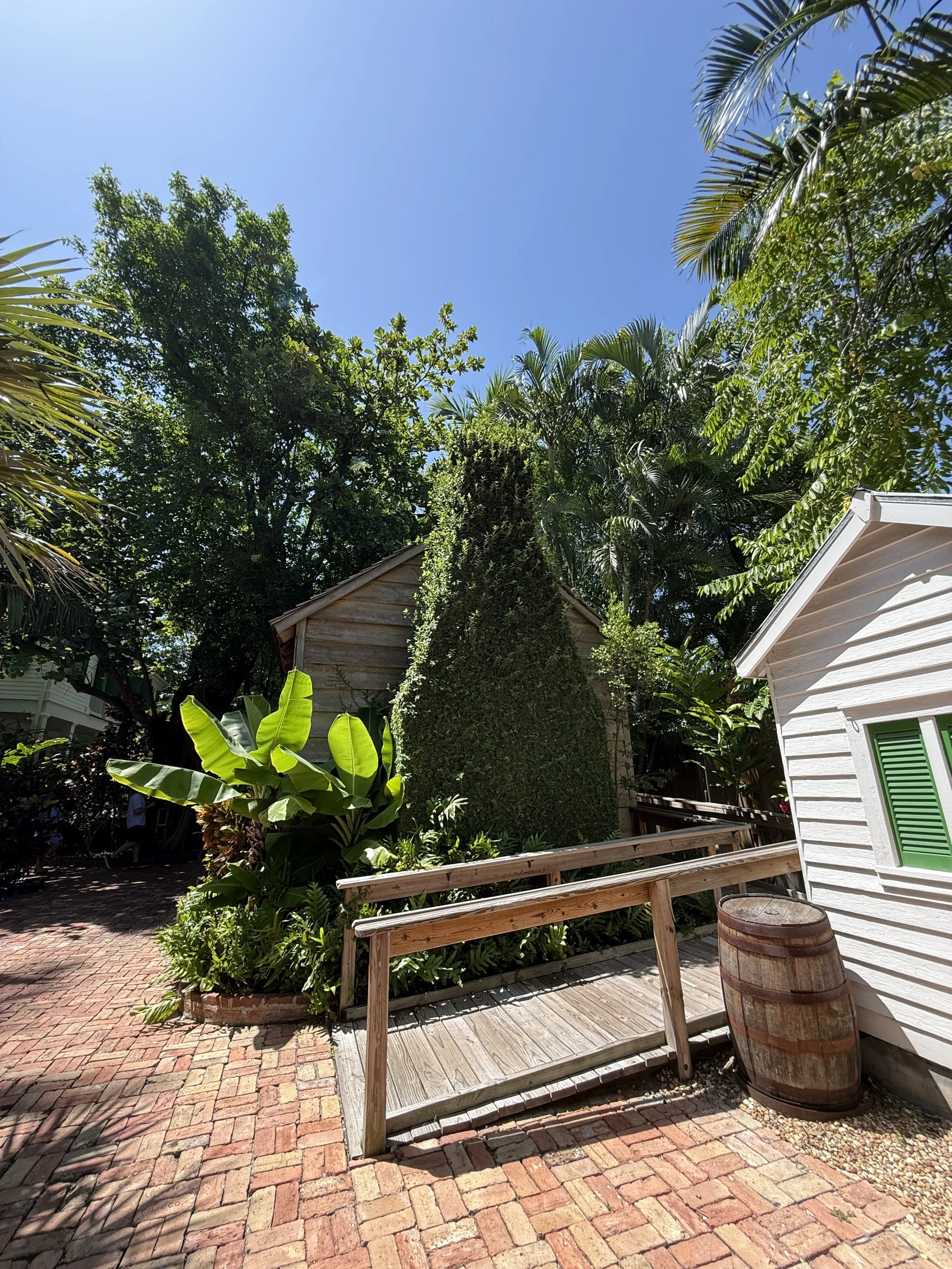
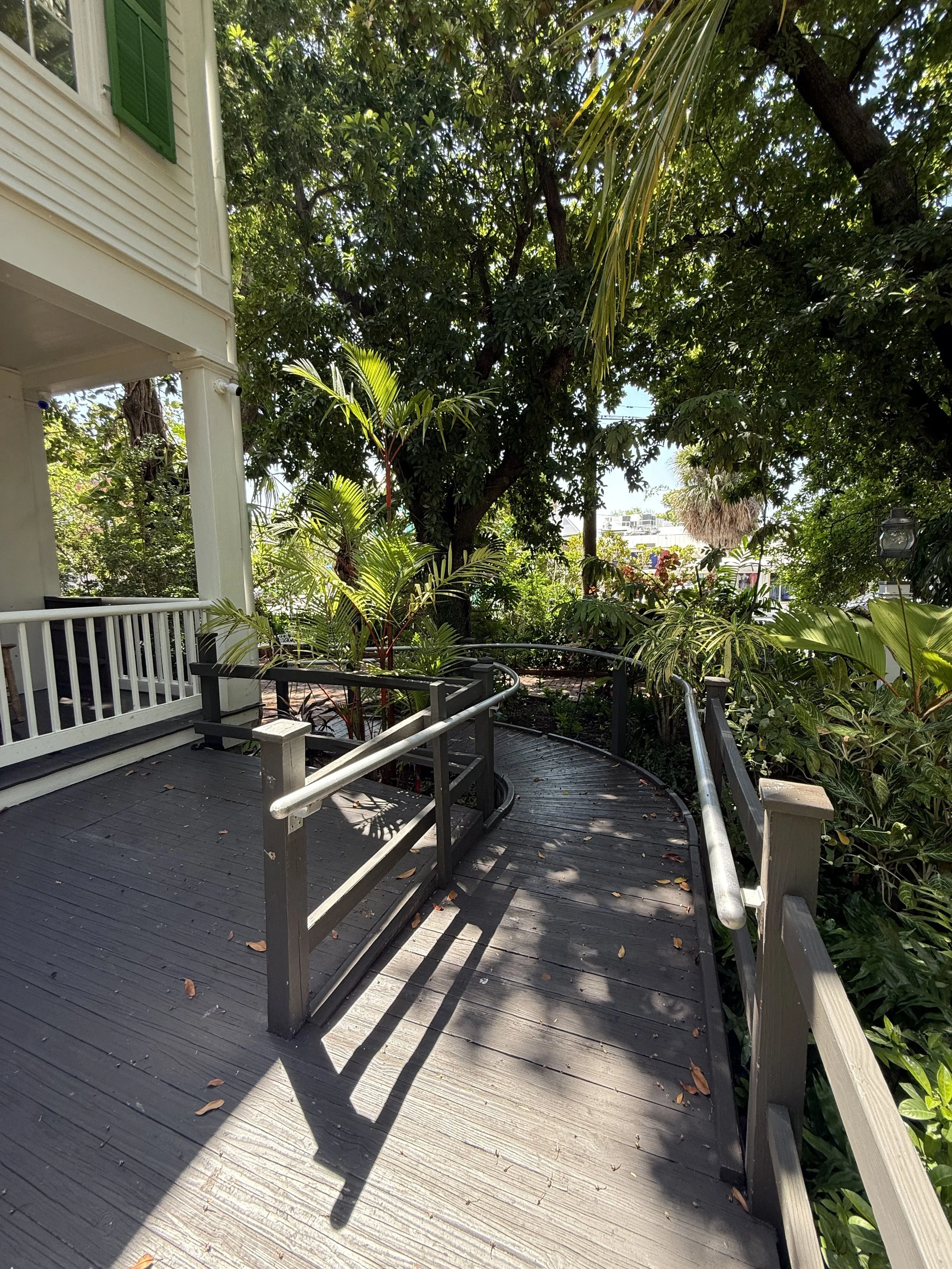
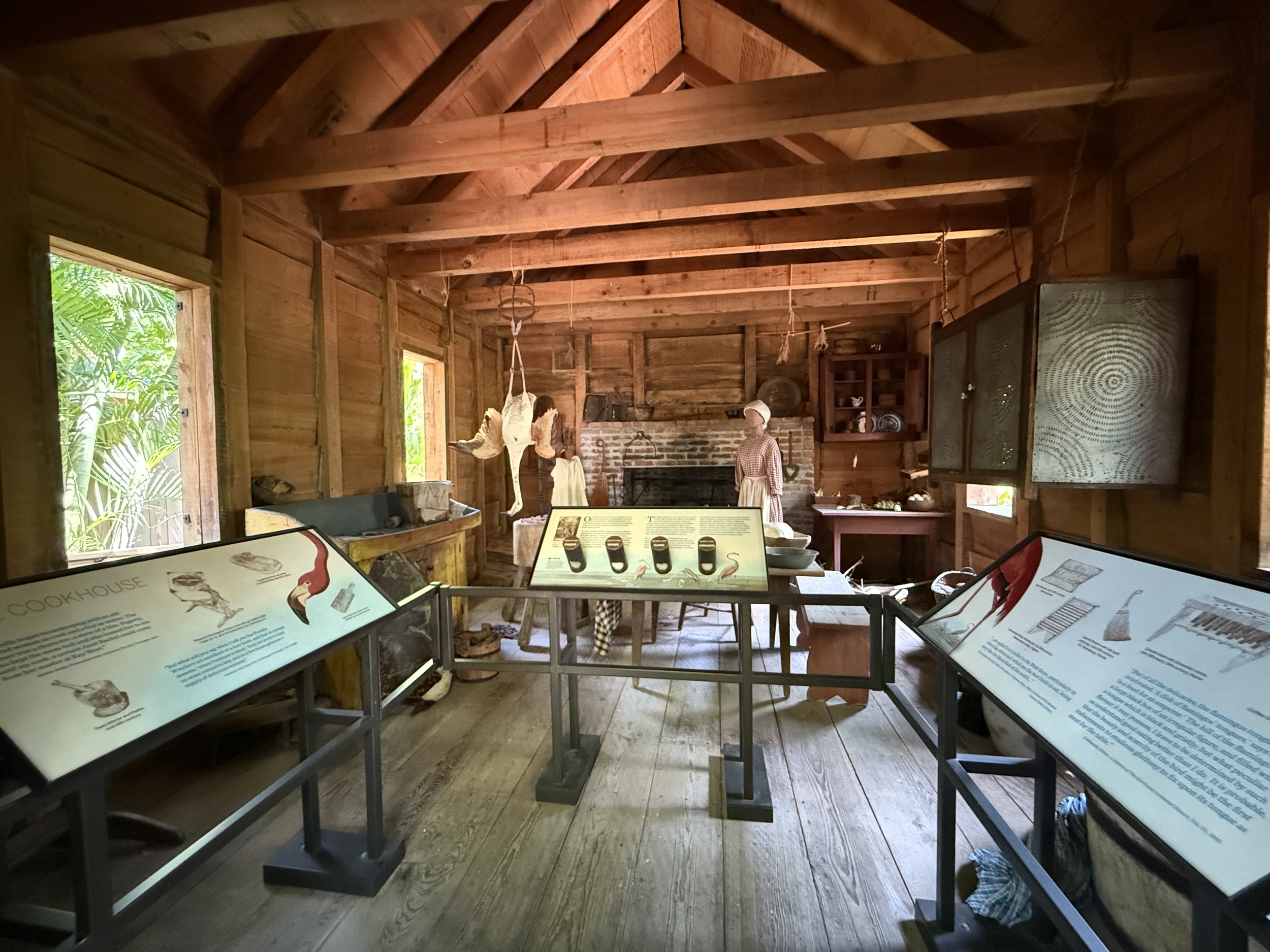
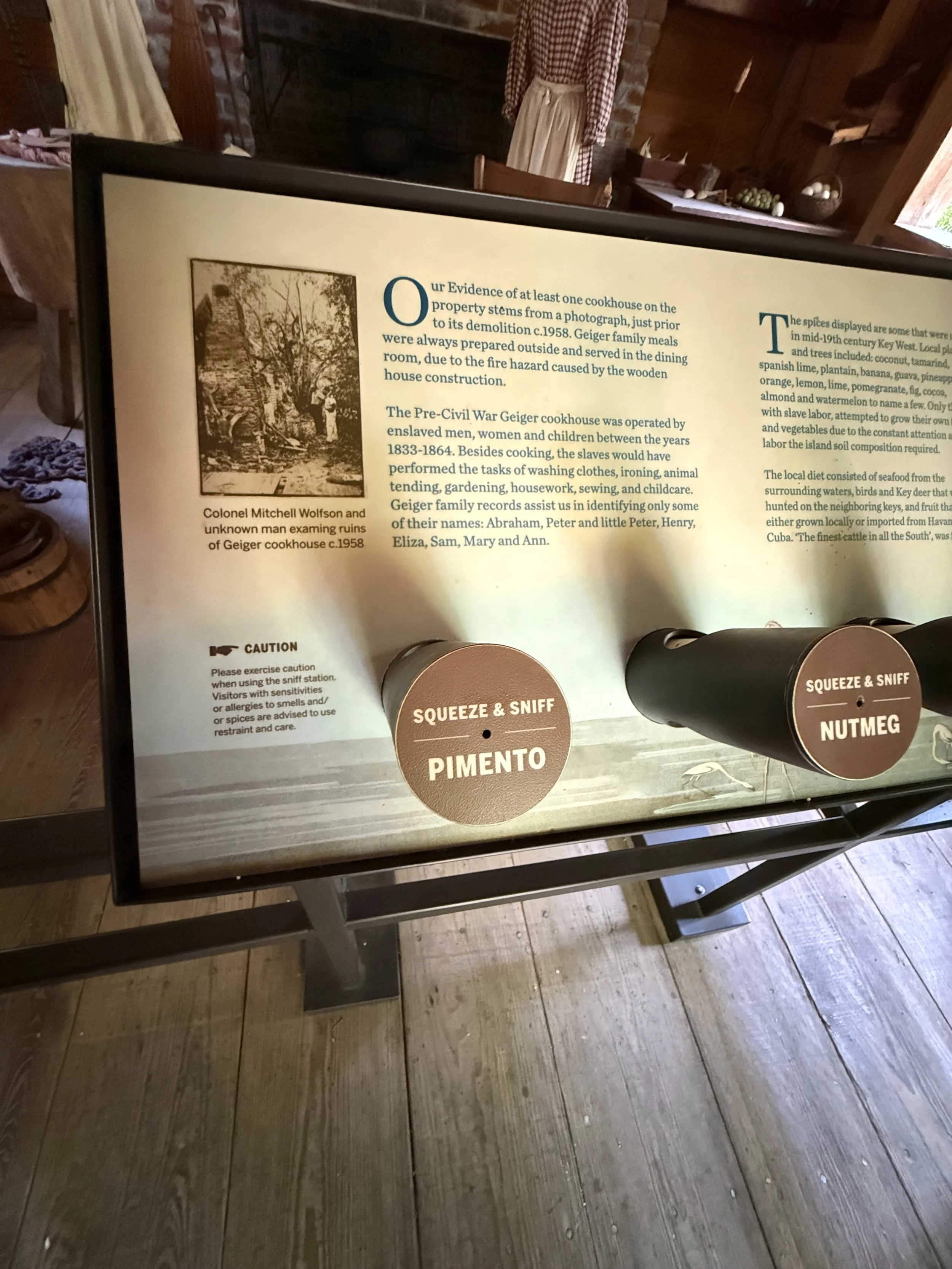
A replica open-air cook house is situated cattycorner from the main house and showcases the realities of living in the Keys in the mid-1800s before modern amenities and creature comforts. The interactive display Squeeze and Sniff with notable spices is a fun treat to augment the kitchen display.
Seating is available through the property, including the home’s porches and balconies and hidden within leafy nooks. The dense greenery hides the Audubon House from its hectic downtown neighbors and truly encourages visitors to linger and soak up the respite. Much of the seating is either bench seating or rocking chairs. Rod iron bistro sets litter the brick courtyards, but can be a bit rickety.
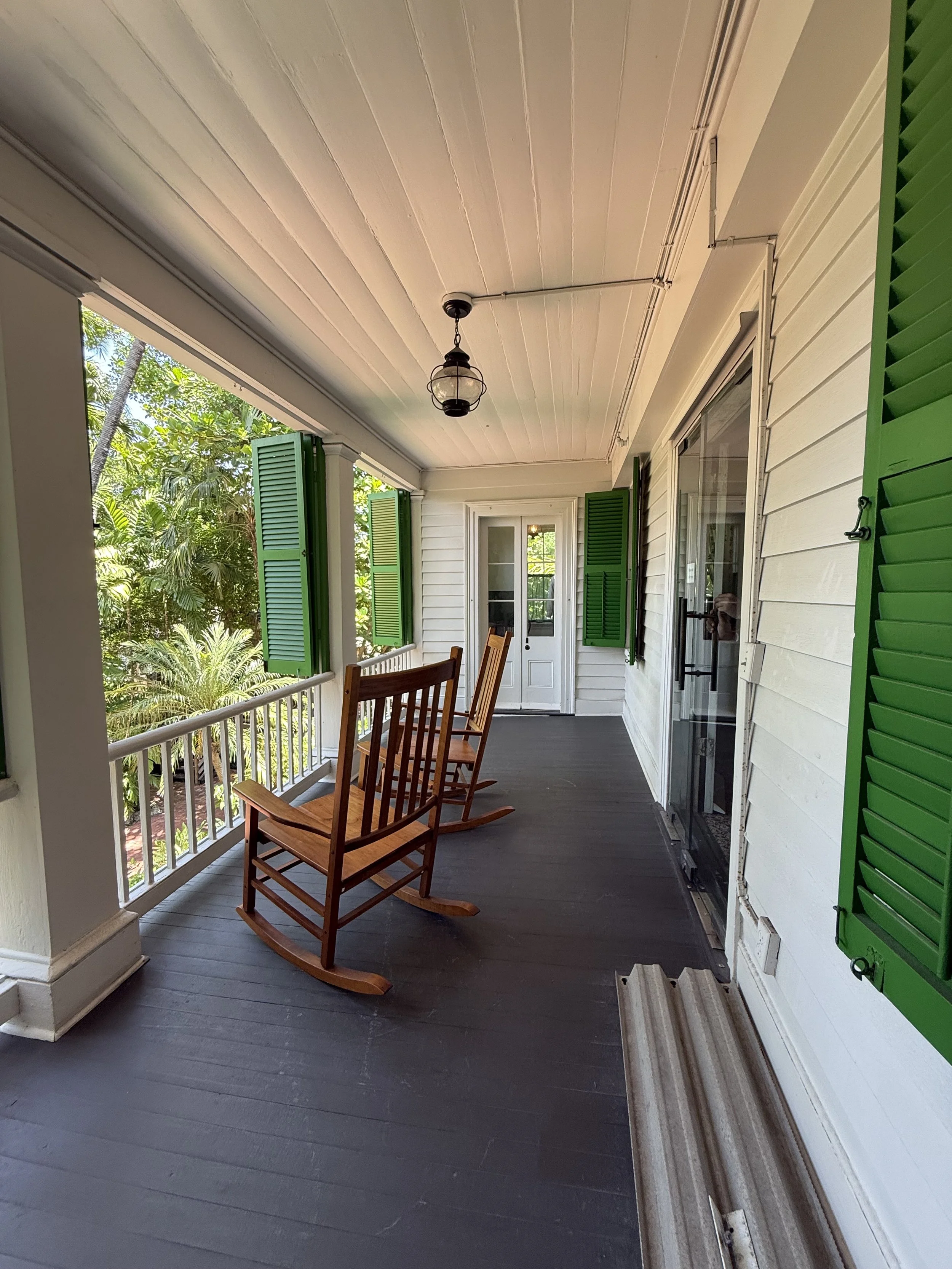
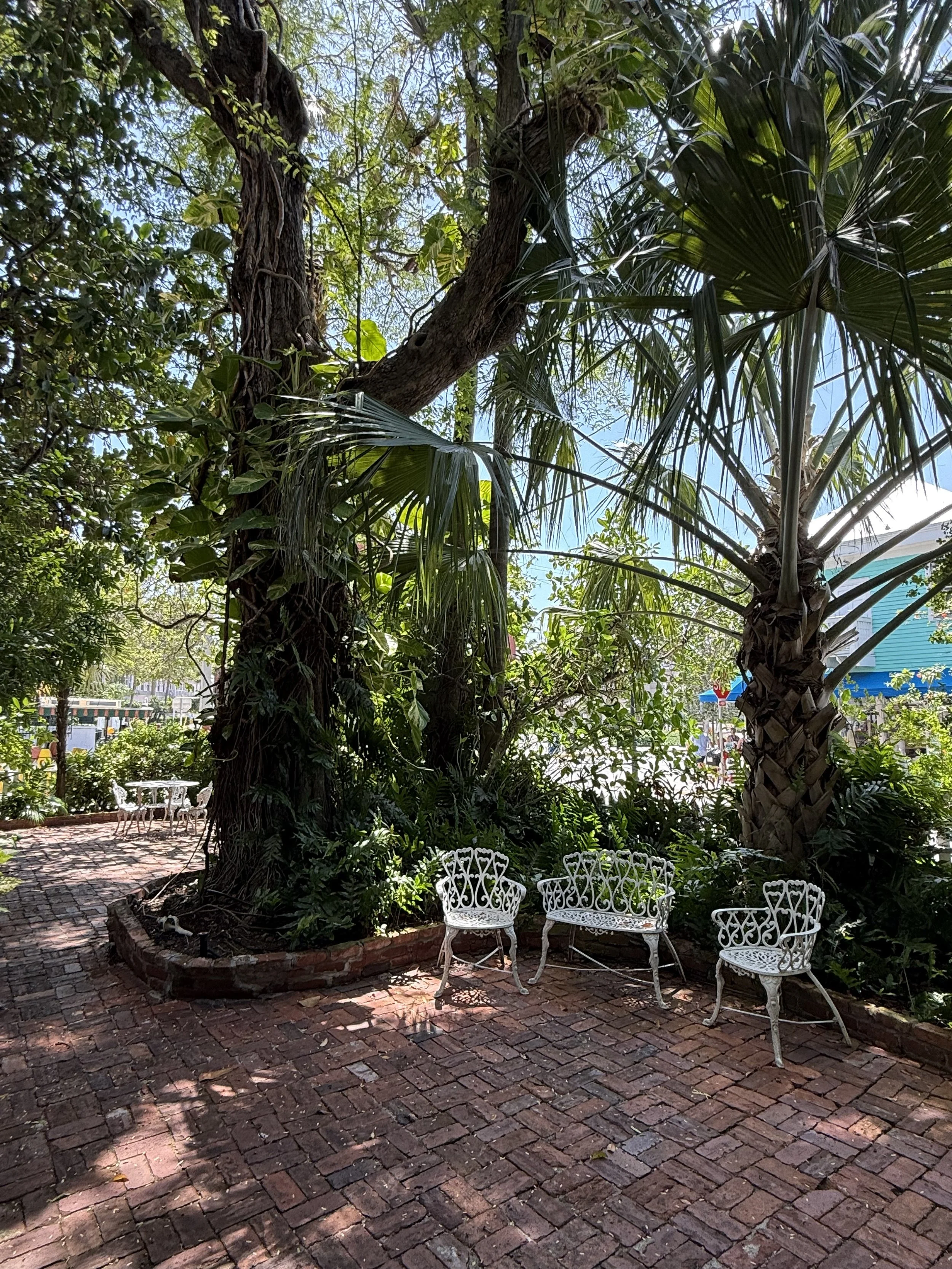
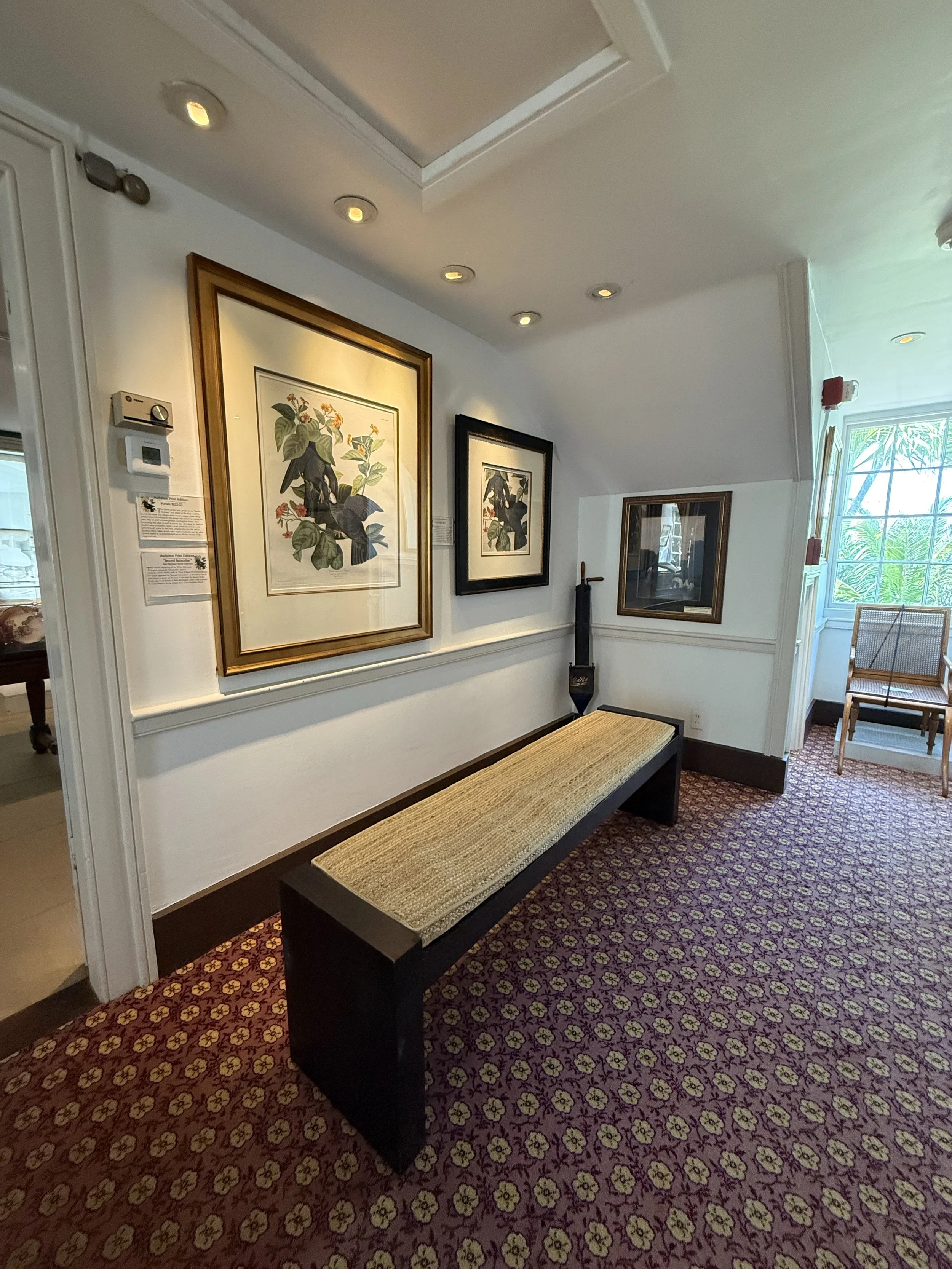
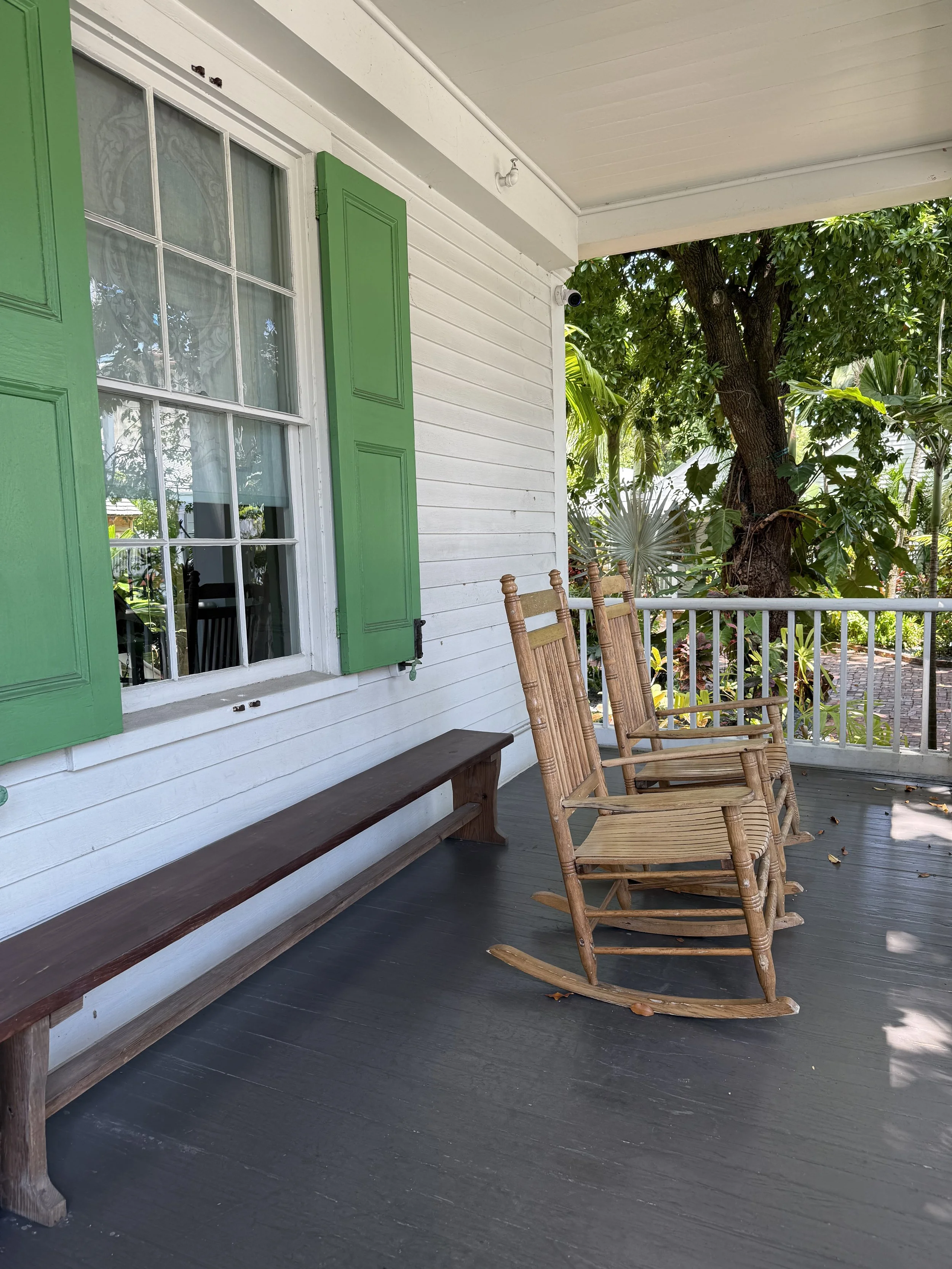
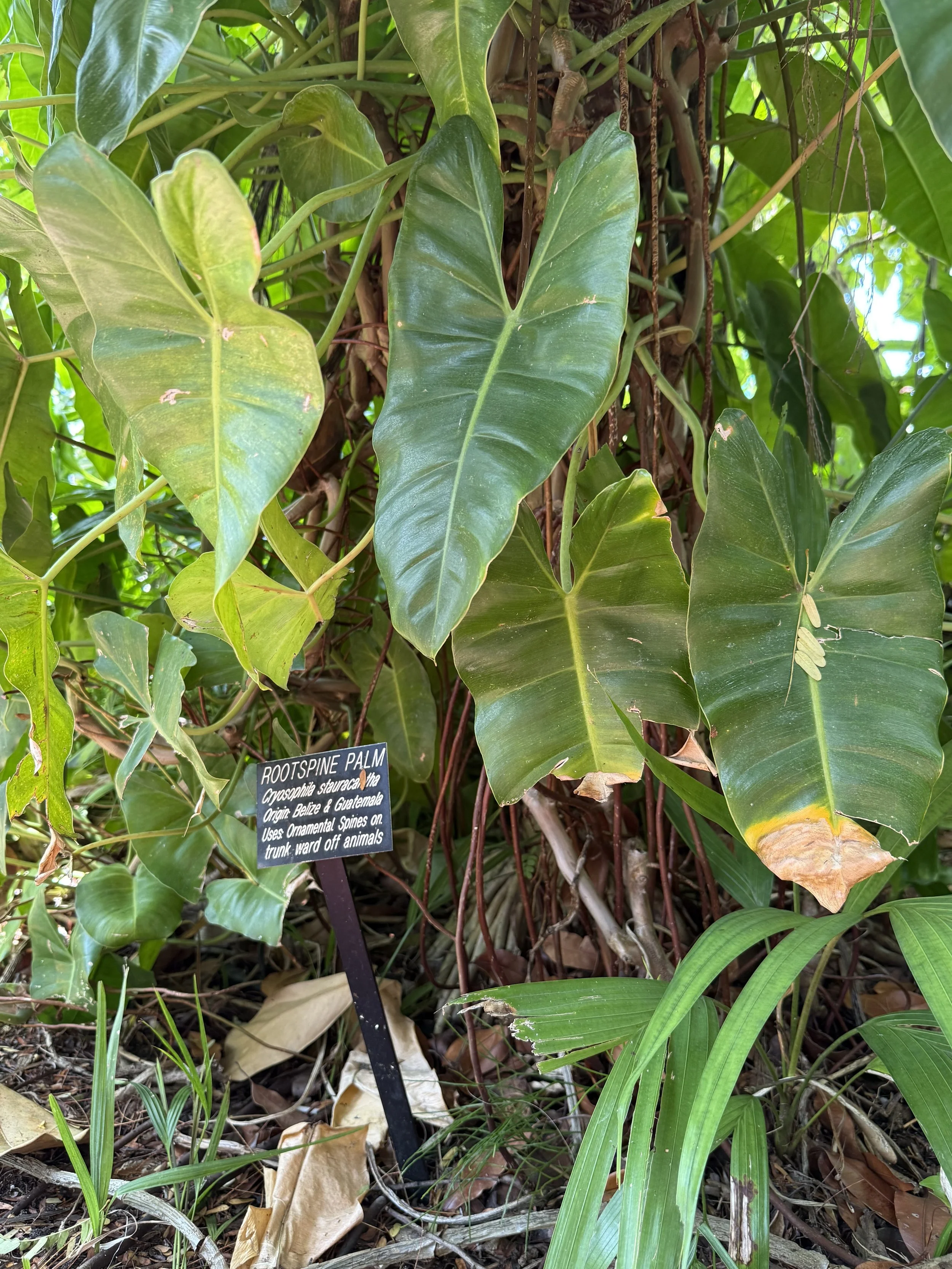
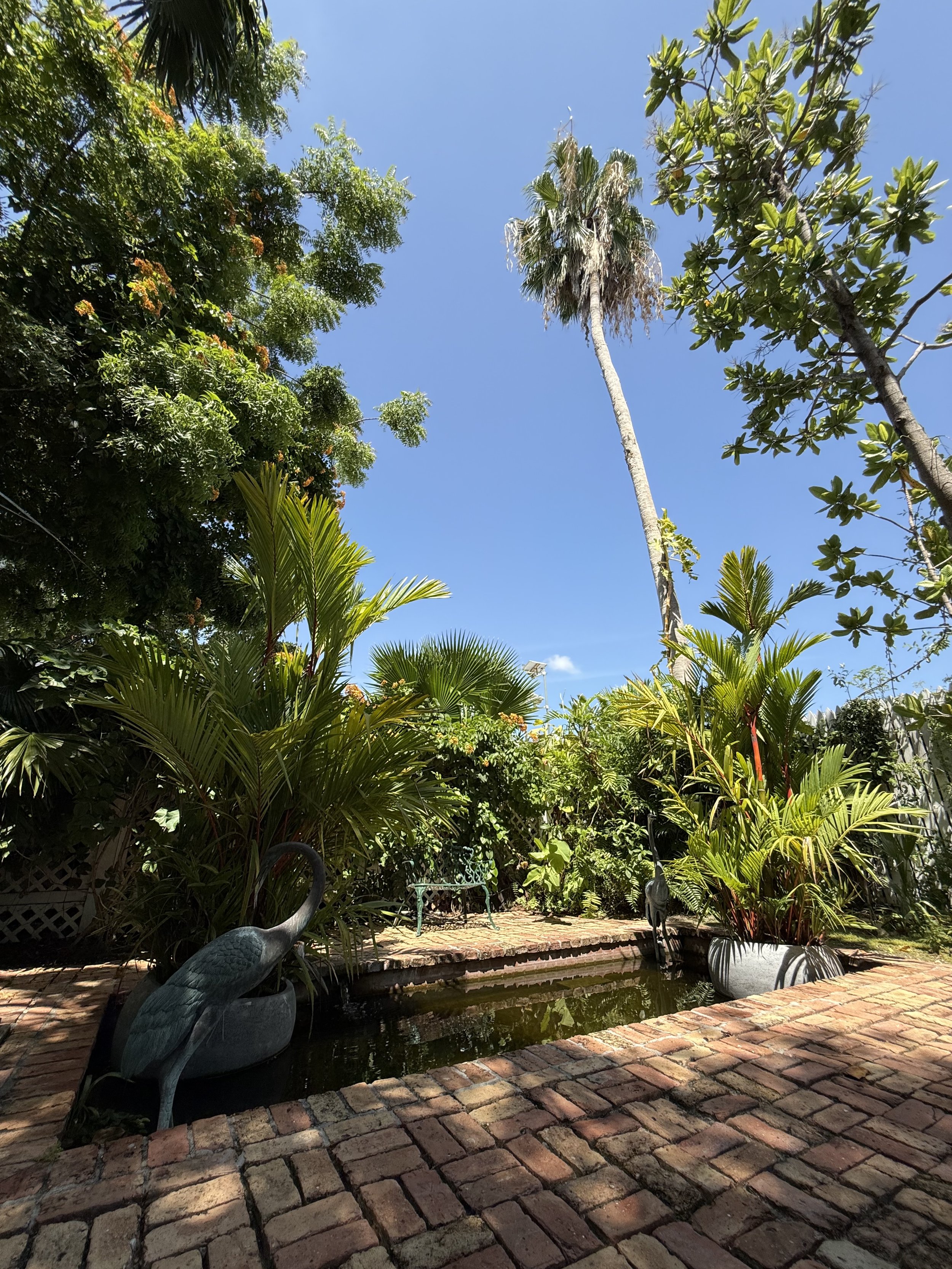
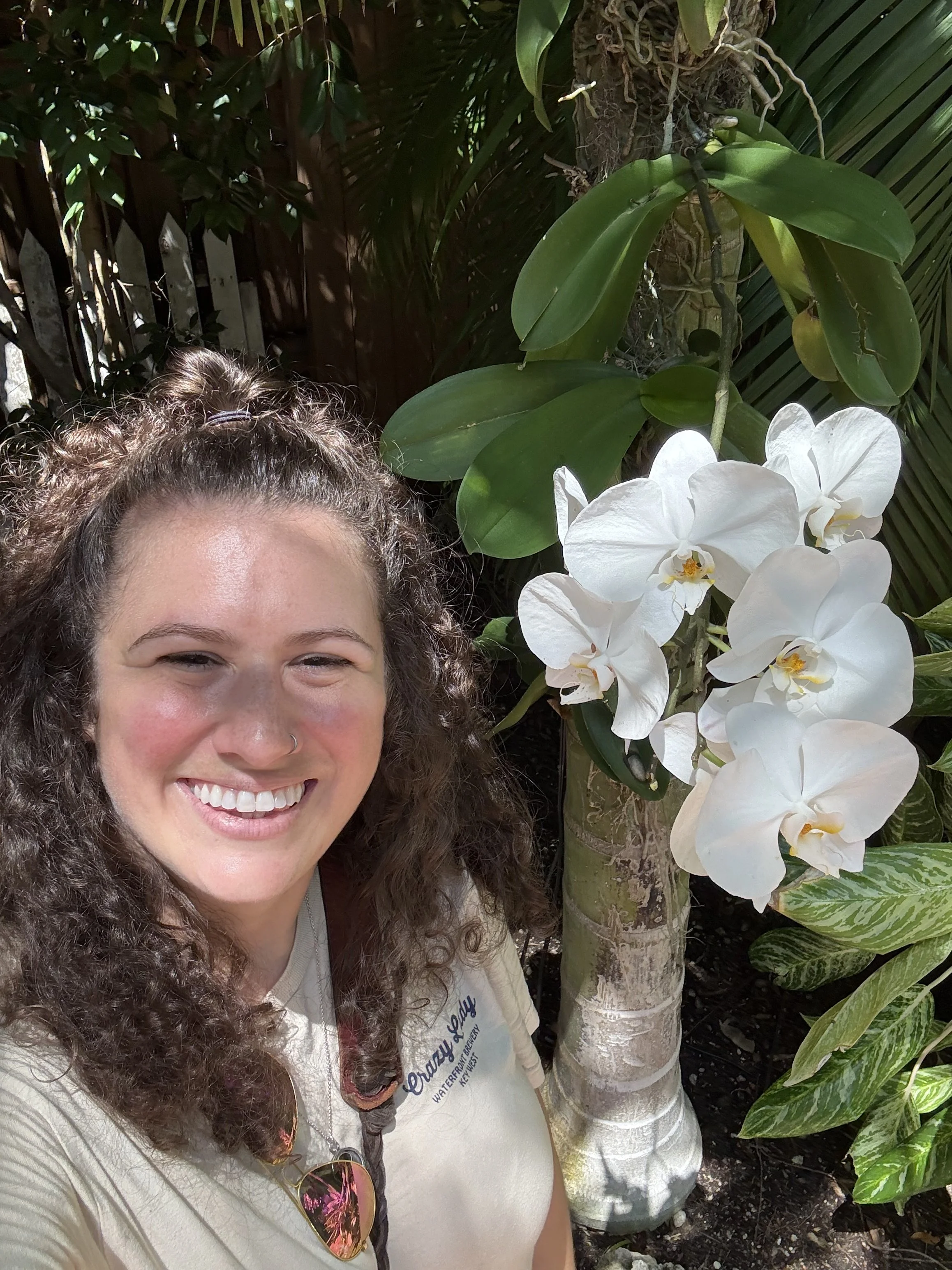
The gardens feature both native and non-native plants, many (but not all) with identifying signs. Orchids bloom as big as my head, and it is easy to get swept up into the greenery. Tucked into the back corner of the property is a small pond erected in the memory of a museum supporter. Although it would be easy to quickly sweep through the Audubon House and Tropical Gardens, it is worth it to linger and revel in the shady oasis.
The Tropical Gardens complement the main Audubon House and its exhibition on life in Key West in the mid 19th century, Audubon's art and print editions, and the contemporary immersive experience. Yet, the gardens are not the prominent draw to the institution. The lush greenery act as a gorgeous backdrop for events and even a sound barrier to the surrounding downtown traffic noise. Nearby bars and restaurants often have live musicians and their performances carry quite far. The gardens, composed of towering palm trees and native hardwood hammock trees, softens and dulls this barrage of noise.
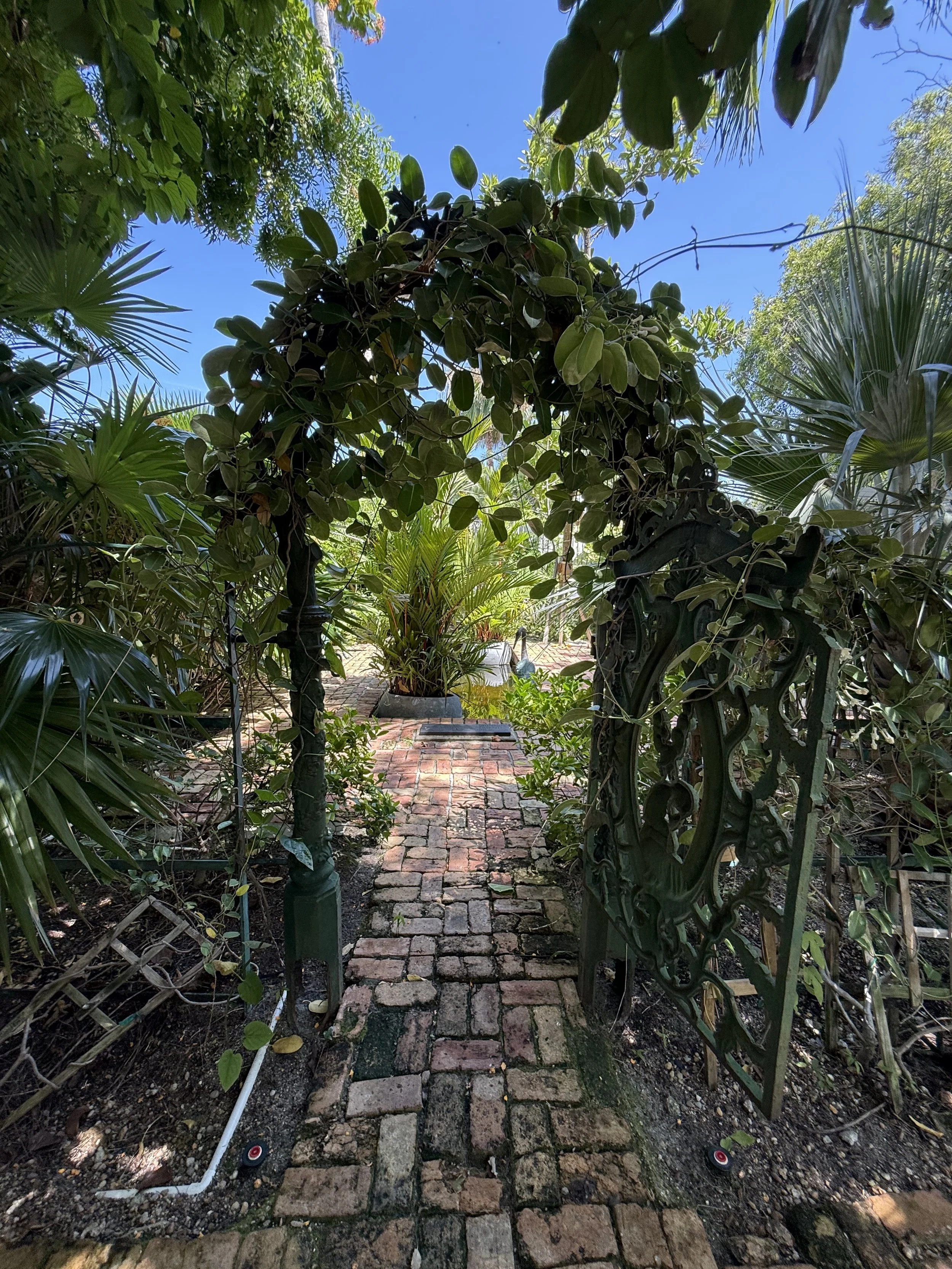
The dense trees and tangle of climbing pothos create a pocket of shady nooks, hiding the Audubon House from view. This all helps suspend the modern-day reality and allow visitors to fully sink into the property's immersive experience (beyond the contemporary room) into 19th century island living. The institution is less focused on identifying and educating specifically on botanical holdings, and more dedicated to creating a holistic experience.
-
References
American Alliance of Museums. (n.d.). Museums committed to excellence. https://www.aam-us.org/programs/accreditation-excellence-programs/museums-committed-to-excellence/Links to an external site.
Audubon House and Tropical Gardens. (n.d.). The Audubon house & tropical gardens. https://audubonhouse.org
Audubon House and Tropical Gardens. (n.d.). Gallery store. https://audubonhouse.org/shop-the-store/
Audubon House and Tropical Gardens. (n.d.). Framing. https://audubonhouse.org/framing/
Florida Association of Museums. (n.d.). Museums. http://www.museumsusa.org/hosting/fam/museums/Links to an external site.
Wolfsonian. (n. d.) About. https://wolfsonian.org/about/Links to an external site.